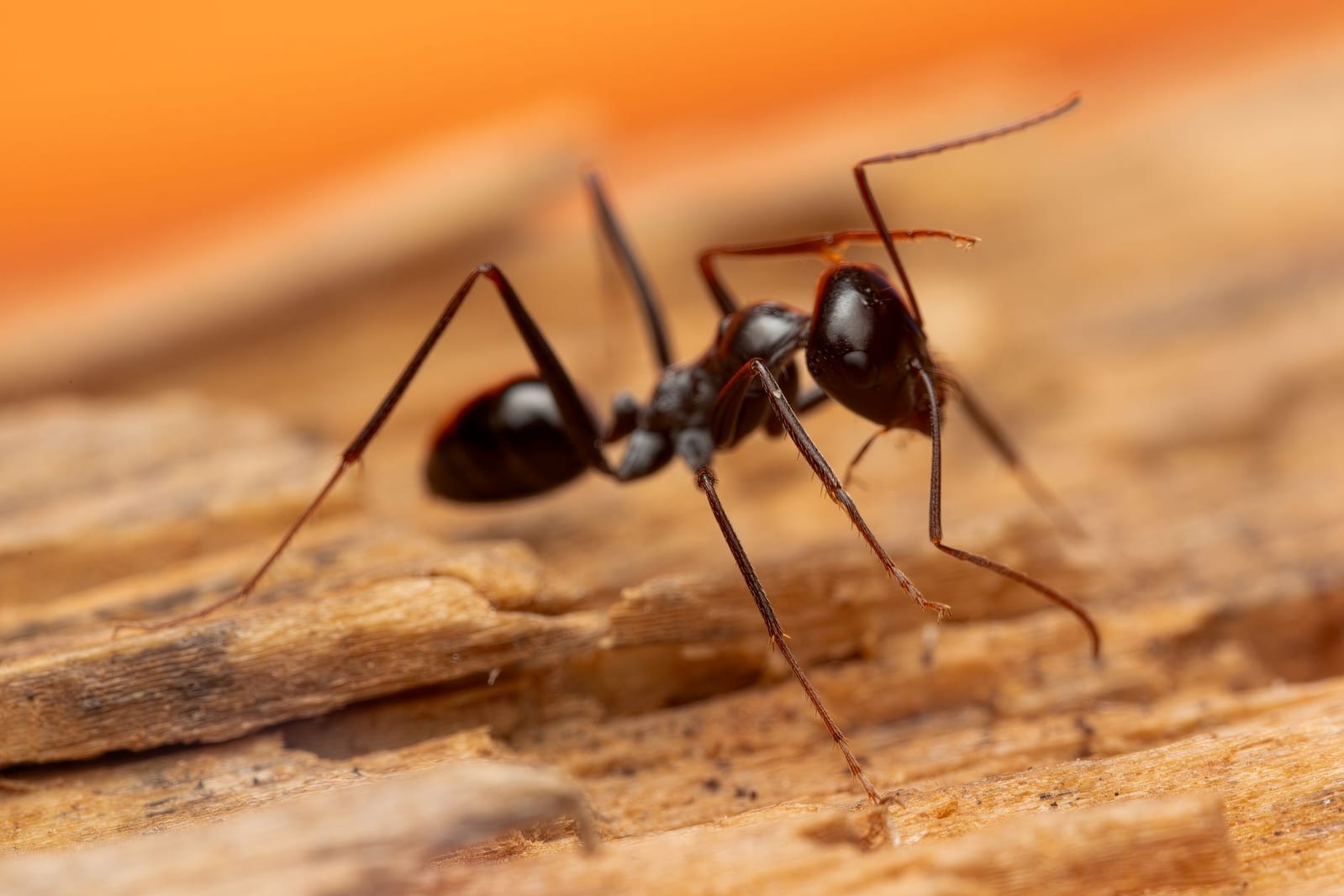
Ant control is among the most common pest issues we treat in Flatbush. Under NYC's bed bug disclosure law (Local Law 69 / Admin Code §27-2018.1), landlords must give tenants the building's one-year bed bug history at lease signing — so prompt, documented treatment protects both tenants and owners. We provide the paperwork a building needs.
Ant control in Flatbush: what to know
Flatbush ranges from large pre-war apartment buildings to the famous freestanding Victorian houses of Ditmas Park. The apartment stock drives heavy mouse and German-cockroach pressure; the older detached homes add ant, wildlife and occasional-invader issues.
Dense, transit-rich commercial strips along Church and Flatbush Avenues sustain strong rodent pressure into adjacent residential blocks.
Flatbush is one of the neighbourhoods with the highest bed bug complaint rates in the city. Densely occupied apartment buildings with shared walls and high tenant turnover let infestations spread between units quickly — a single untreated unit can seed a whole line of apartments. Fast, building-wide treatment is what stops it.
Under NYC's bed bug disclosure law (Local Law 69 / Admin Code §27-2018.1), landlords must give tenants the building's one-year bed bug history at lease signing — so prompt, documented treatment protects both tenants and owners. We provide the paperwork a building needs.
How much does carpenter ant & ant control cost in Flatbush?
$60–$500
National average: $150–$250 per visit (Angi). Typical single treatment: $80–$500 (small infestation). Bob Vila national range: $60–$215. Follow-up/retreatment visits: $40–$120.
US national figure — NYC typically runs higher.
Market range — not our quote
This is a market range synthesised from published cost guides — not a quote from this provider. The actual price depends on an in-person or photo-based inspection.
US national — NYC typically higher; no NYC-specific ant cost guide located, unlike bed bugs/rats/roaches.
What drives the price
- Infestation location (attic/basement/exterior walls cost more than kitchen/living space due to access difficulty)
- Severity
- Treatment method
- One-off vs follow-up retreatment
Signs you need ant control
- Visible ant trails in the kitchen or along baseboards, more common in warm months near the Prospect Park edge of the neighbourhood
- Ants entering through original masonry mortar gaps, window sills, or utility penetrations at ground level
- Small piles of soil-like debris ('frass') near foundation cracks or sill plates, sometimes a sign of carpenter ants in older timber floor joists
- Ant activity that appears seasonally rather than year-round, tracking warmer weather when outdoor colonies forage more aggressively
- Trails that seem to originate from a shared wall or floor void rather than an obvious point of entry
How we treat ant control in Flatbush
Being on the edge of Prospect Park gives Park Slope more outdoor ant pressure than blocks farther from green space — ants foraging in the park's tree cover and lawns move toward the nearest food source in warm months, and the closest food source is often a kitchen a few feet from the park boundary.
Once ants are foraging, Park Slope's housing stock gives them an easy way in: original or partially renovated masonry with mortar gaps and deteriorated sill plates, common across the neighbourhood's brownstone and limestone row houses, are exactly the kind of small gaps ants use to move from outside soil into a foundation wall and then indoors.
Local landmarks & coverage
We serve all of Flatbush and the surrounding Brooklyn area — including Brooklyn College, Prospect Park, Church Avenue, Kings Theatre, Ditmas Park Victorians — across ZIP codes 11226, 11210, 11203.