Bird control in Flushing: what to know
Flushing is one of the densest, busiest neighbourhoods in Queens, with a major commercial and restaurant core around Main Street that drives heavy rodent and cockroach pressure into the surrounding apartment buildings and homes.
The mix of older multi-family buildings, newer developments and one of the city's busiest food-service districts makes rodents, German cockroaches and bed bugs persistent concerns.
Proximity to Flushing Meadows–Corona Park adds seasonal rodent, mosquito and stinging-insect pressure.
Signs you need bird control
- Accumulated droppings on ledges, sills, fire escapes, or under cornices
- Nesting material (twigs, debris) wedged into gutters or roofline gaps
- Persistent cooing or scratching from a fixed ledge or window unit
- Feathers collecting in a corner or stairwell landing
- Birds returning to the same perch daily despite being chased off
How we treat bird control in Flushing
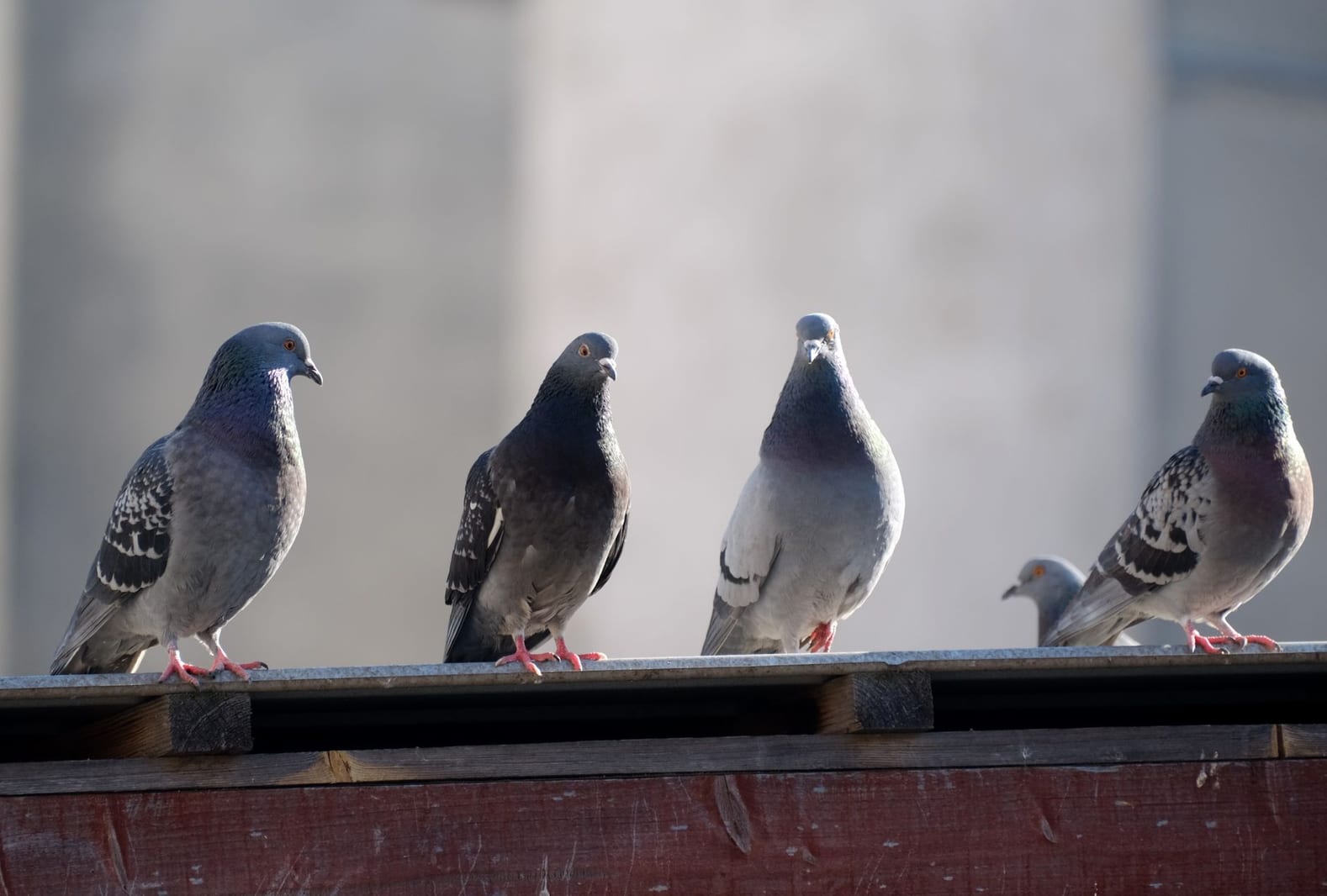
Almost every bird complaint we handle in Brooklyn brownstones and walk-ups comes down to pigeons — a non-native species with no federal protection, which is why they're the bird you're legally allowed to exclude outright. Droppings and nesting material build up fast on window ledges, AC units, and cornices, and once a ledge is established as a roost, the birds return to it daily.
Most other wild birds you'll see on a NYC property — sparrows, starlings excepted, along with native songbirds, hawks, and gulls — fall under the federal Migratory Bird Treaty Act, which restricts harming birds, eggs, or active nests. That changes the job from pest control to deterrence: we identify the species first, then choose netting, spike strips, or gel repellents that make the surface unworkable for roosting without touching the bird itself.
Local landmarks & coverage
We serve all of Flushing and the surrounding Queens area — including Main Street, Flushing Meadows–Corona Park, Downtown Flushing — across ZIP codes 11354, 11355, 11358.