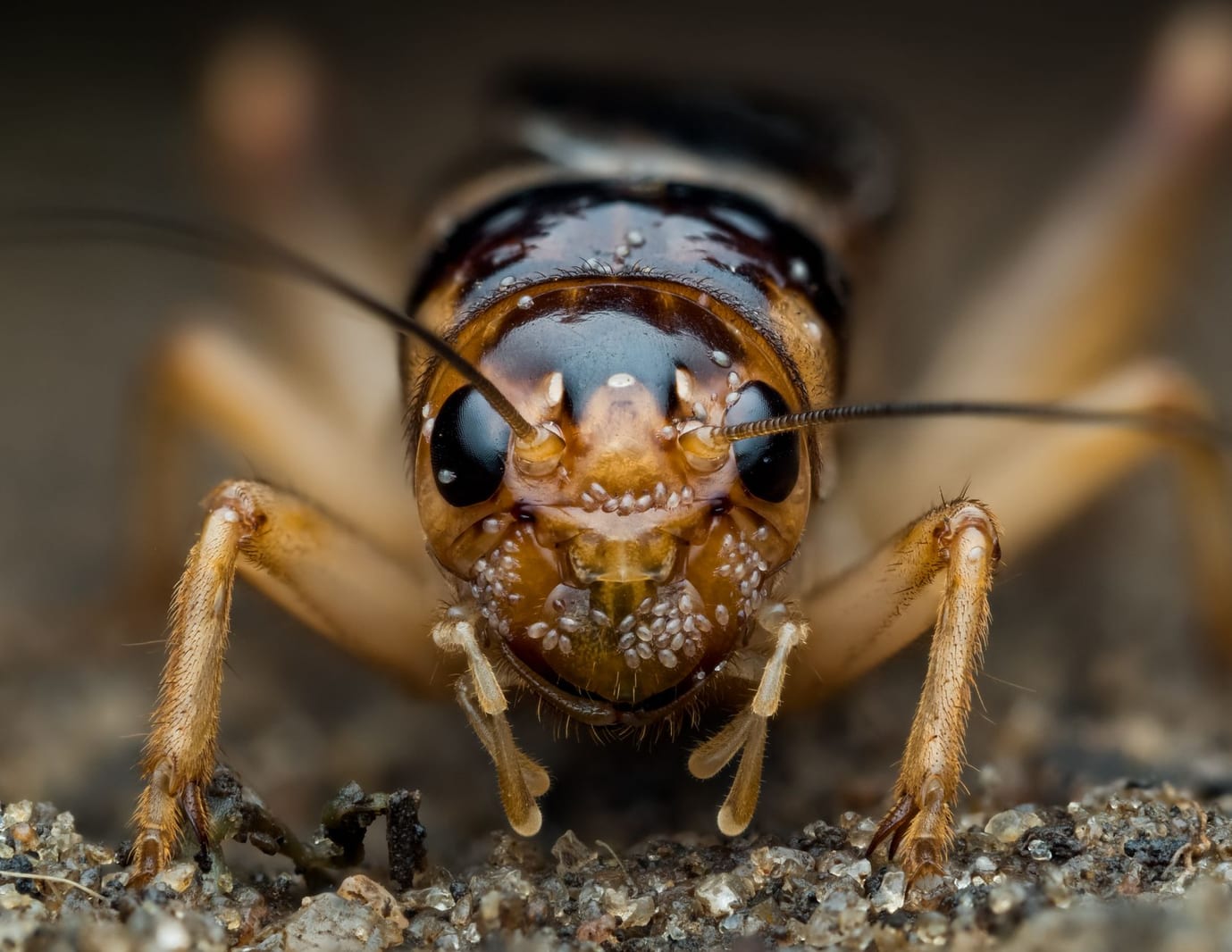
Cricket control in Manhattan: what to know
Manhattan is the densest borough in the country, and its housing stock runs from the early-1900s tenements of the Lower East Side, East Village and Chinatown to grand pre-war apartment buildings and co-ops on the Upper East and Upper West Sides. Thin walls, shared stairwells, original plumbing risers and deep baseboard gaps give German cockroaches and mice constant routes between the island's tightly packed units.
Travel density makes Manhattan a bed bug hotspot: hotels, short-term rentals, frequent sublets and a steady stream of international visitors mean even spotless luxury co-ops face introductions through luggage and second-hand furniture, not poor hygiene. In multi-unit buildings a single untreated apartment rarely ends the problem, because bed bugs move along shared walls and risers.
The borough's restaurant and transit density — Times Square, Penn Station, Midtown food corridors and the subway beneath them — sustains one of the city's largest rat populations, feeding rodent pressure out into adjacent residential blocks, while green edges along Central Park, Riverside Park and the Hudson add seasonal ant and occasional-invader pressure to lower-floor and garden apartments.
Signs you need cricket control
- Chirping at night (house crickets) coming from basements or walls
- Humpbacked, long-legged crickets jumping in basements, cellars or bathrooms
- Holes or damage in stored fabric, cardboard or paper in basement storage
- Crickets concentrated in damp, dark ground-floor and below-grade areas
How we treat cricket control in Manhattan
Crickets — especially the humpbacked camel cricket (often called a 'spider cricket' or 'cave cricket') — are a common but under-treated NYC pest. They thrive in the damp basements, cellars, crawl spaces and ground-floor units that older New York buildings have in abundance, and their chirping and jumping make them especially unwelcome indoors.
Camel crickets don't chirp but they jump erratically when disturbed and feed on fabric, cardboard and stored items in basements. House crickets are drawn to warmth and light. Both signal a moisture and entry-point problem, which is why treatment that ignores the underlying conditions never holds.
Local landmarks & coverage
We serve all of Manhattan and the surrounding Manhattan area — including Central Park, Times Square, Empire State Building, Wall Street, Grand Central Terminal, the High Line — across ZIP codes 10001, 10002, 10009, 10011, 10014, 10016, 10019, 10025, 10027, 10128.