Stinging insect removal in Flatbush: what to know
Flatbush ranges from large pre-war apartment buildings to the famous freestanding Victorian houses of Ditmas Park. The apartment stock drives heavy mouse and German-cockroach pressure; the older detached homes add ant, wildlife and occasional-invader issues.
Dense, transit-rich commercial strips along Church and Flatbush Avenues sustain strong rodent pressure into adjacent residential blocks.
Flatbush is one of the neighbourhoods with the highest bed bug complaint rates in the city. Densely occupied apartment buildings with shared walls and high tenant turnover let infestations spread between units quickly — a single untreated unit can seed a whole line of apartments. Fast, building-wide treatment is what stops it.
Under NYC's bed bug disclosure law (Local Law 69 / Admin Code §27-2018.1), landlords must give tenants the building's one-year bed bug history at lease signing — so prompt, documented treatment protects both tenants and owners. We provide the paperwork a building needs.
Signs you need stinging insect removal
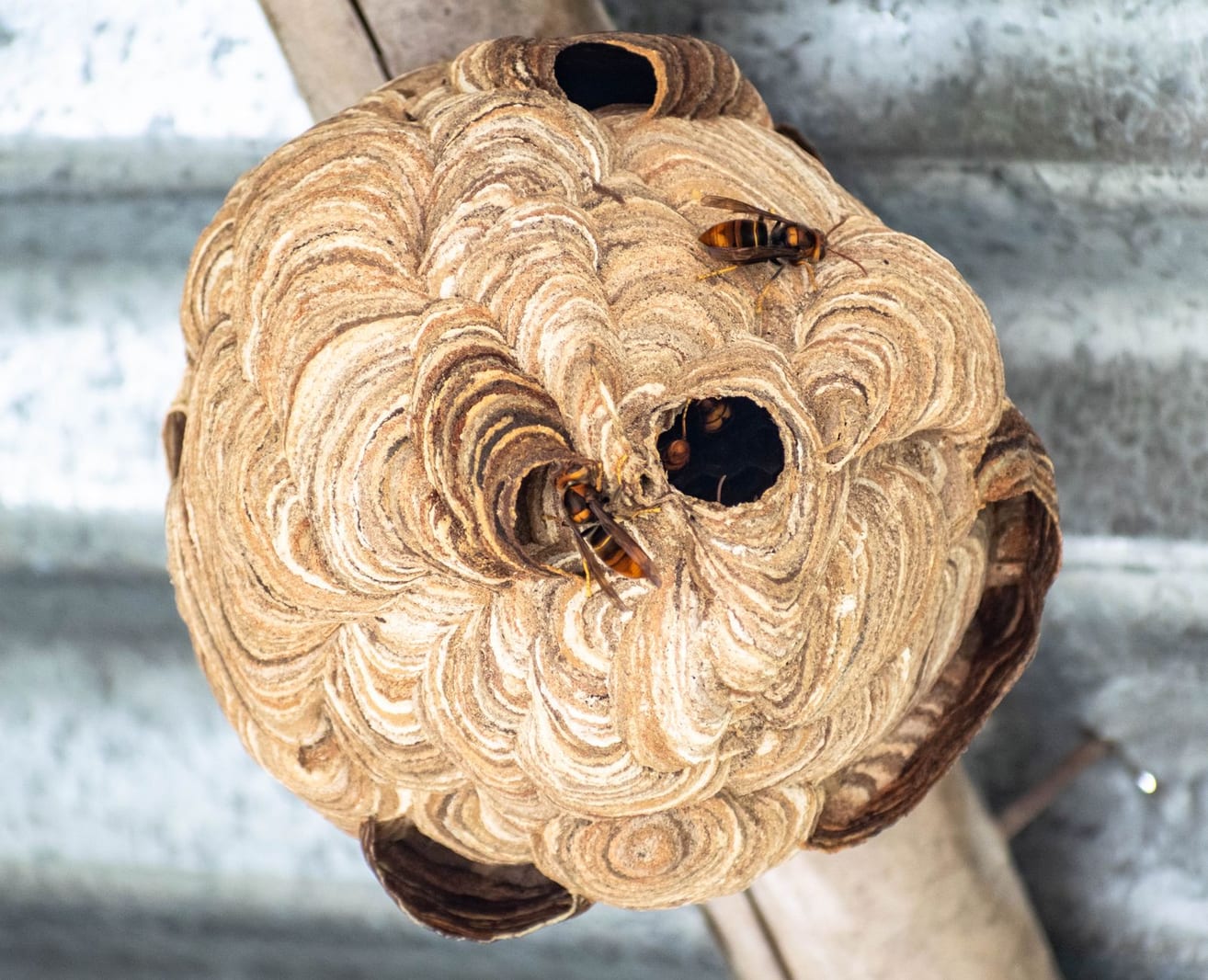
- Visible paper nest under eaves, in a shed, or in a fence corner
- Repeated wasp or hornet activity concentrated in one area of the yard
- Ground-level holes with insects entering and exiting (possible yellowjacket nest)
- A honeybee swarm clustered on a branch, wall, or structure
- Increased stinging-insect activity near garbage areas or garden plantings in warmer months
How we treat stinging insect removal in Flatbush
Not every stinging insect on a Brooklyn property calls for the same response. Wasps and hornets build paper nests in eaves, gutters, shed corners, and yard structures, and they'll defend that nest aggressively — multiple stings from a single encounter are common, and for anyone with a known allergy, a nest close to a doorway or garden path is a real medical risk. Bees are a different case: honeybee colonies are ecologically beneficial, and where a swarm or hive can be safely relocated rather than exterminated, that's the preferred outcome for a licensed technician.
Our process starts with correct identification, because treatment for a ground-nesting yellowjacket colony is not the same as treatment for hornets under a roofline or a honeybee swarm that's settled in a tree. We inspect the nest location, assess access and proximity to where people actually walk, sit, or garden, and choose a method that matches the species and the site — not a one-size-fits-all spray.
Local landmarks & coverage
We serve all of Flatbush and the surrounding Brooklyn area — including Brooklyn College, Prospect Park, Church Avenue, Kings Theatre, Ditmas Park Victorians — across ZIP codes 11226, 11210, 11203.