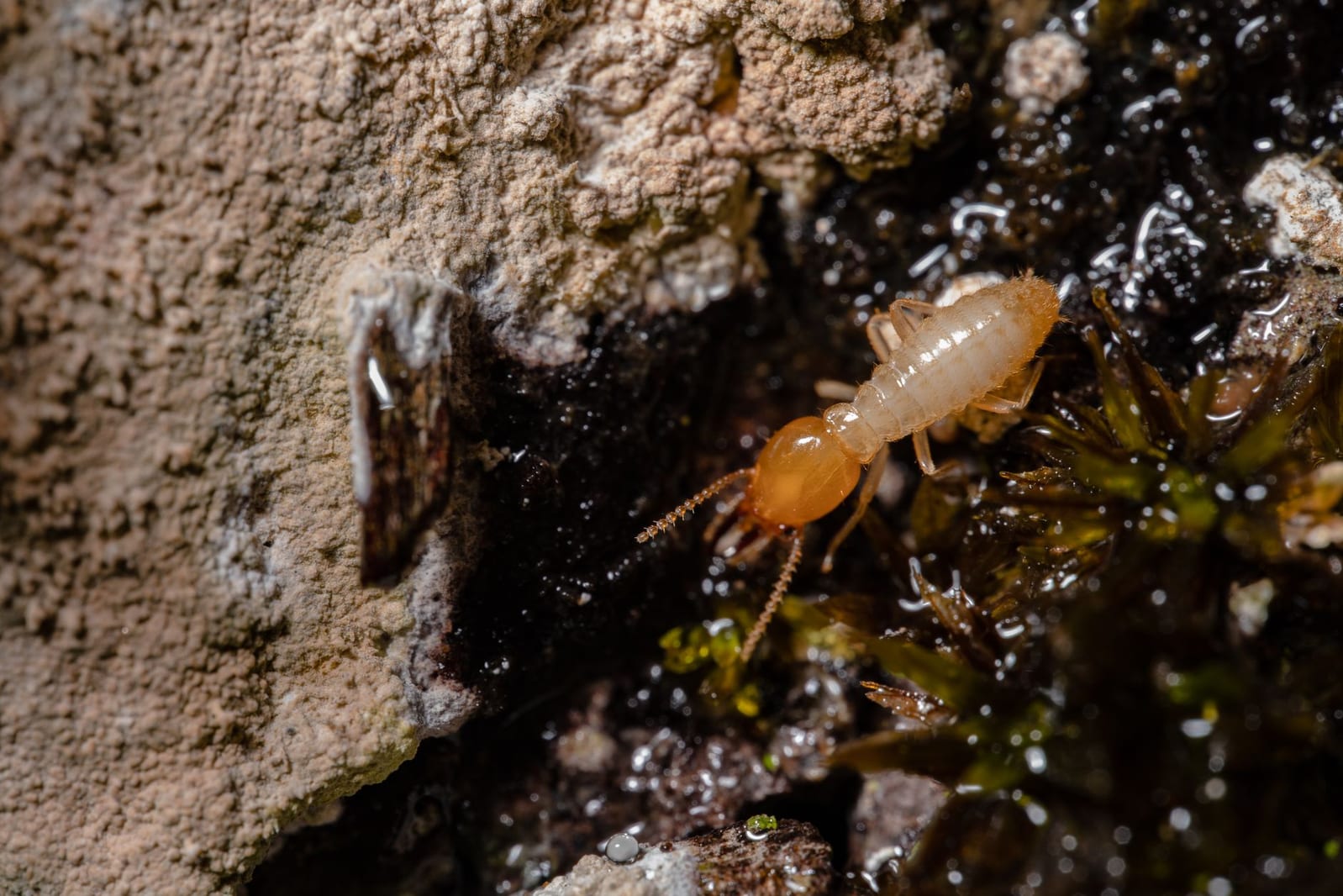
Termite control in Carroll Gardens: what to know
Carroll Gardens is known for its unusually deep front gardens on brownstone-lined streets between Court and Smith — a variant of the classic Brooklyn row house with the same shared walls, old plumbing and basement voids that let rodents and cockroaches travel between adjoining homes.
The gardens and mature street trees add seasonal ant and occasional-invader pressure, while the busy Smith Street and Court Street restaurant strips sustain rodent pressure into the surrounding residential blocks.
Basement and garden-level apartments here are especially prone to large 'water bugs' rising from old drains given the neighbourhood's below-grade garden construction and aging foundations.
How much does termite control & inspection cost in Carroll Gardens?
$75–$8,000
Inspection: $75–$325 (avg ~$100; many companies offer inspections free). Standard treatment: $230–$1,000 (avg ~$600). Extensive infestation/fumigation: $1,500–$8,000. Annual termite bond/warranty: $200–$400/year.
| Inspection | $75–$325 one-time |
| Standard treatment | $230–$1,000 one-time |
| Extensive infestation / fumigation | $1,500–$8,000 one-time |
| Annual bond / warranty | $200–$400 per year |
US national figure — NYC typically runs higher.
Market range — not our quote
This is a market range synthesised from published cost guides — not a quote from this provider. The actual price depends on an in-person or photo-based inspection.
US national — NYC typically higher. No NYC-specific termite pricing found; NYC's older/pre-war building stock and closely-spaced structures are plausible cost drivers but this is inference, not a sourced NYC figure — not presented as verified.
What drives the price
- Inspection alone vs bundled with treatment quote
- Treatment method (spot/localized vs whole-structure fumigation)
- Severity/extent of colony
- Ongoing bond/warranty vs one-time treatment only
Signs you need termite control
- Winged swarmers near foundations or windows, especially in spring
- Discarded wings on windowsills or near foundation walls
- Mud tubes on foundation walls or in basements or crawlspaces
- Wood that sounds hollow when tapped, or shows soft or damaged texture
- Wood-to-ground contact points around the property (deck posts, wood siding touching soil)
How we treat termite control in Carroll Gardens
Subterranean termites are a real and well-documented pressure in New York City's older wood-frame housing stock, and Brooklyn row houses with wood framing and basement or foundation-level wood contact are a common risk profile. These termites live in underground colonies and travel into structures through soil contact with foundations, wood-to-ground contact, or small cracks — damage often develops out of sight before it's visually obvious.
Spring is swarm season for subterranean termites in this region — a well-established seasonal pattern where winged reproductive termites emerge from an established colony to start new ones. Seeing a swarm of winged insects near your foundation, especially in spring, or discarded wings near windowsills, is one of the more reliable early indicators that a colony is active near the structure.
Local landmarks & coverage
We serve all of Carroll Gardens and the surrounding Brooklyn area — including Carroll Park, Court Street, Smith Street, the neighbourhood's deep front gardens — across ZIP codes 11231.