Quick answer
To get rid of water bugs in NYC, treat the drains and plumbing entry points they come up through, seal gaps around pipes and under doors, reduce moisture in basements and bathrooms, and use professional treatment at harbourage points — because water bugs (large American and Oriental cockroaches) enter from drains, basements and shared plumbing, so surface sprays alone won't stop them.
The short answer
Water bugs come up from drains, basements and shared plumbing — so getting rid of them means treating those routes, not just spraying your counters. In NYC, a “water bug” is a large American or Oriental cockroach (a true cockroach), not the aquatic insect the name technically describes. They need moisture and travel up pipes, which is why they appear in bathrooms and kitchens at night. (Not sure what you’ve got? See cockroach vs. water bug.)
What is a water bug, exactly?
“Water bug” isn’t an entomologist’s term — it’s a New York colloquialism. There are three insects that get lumped under it, and they need very different responses:
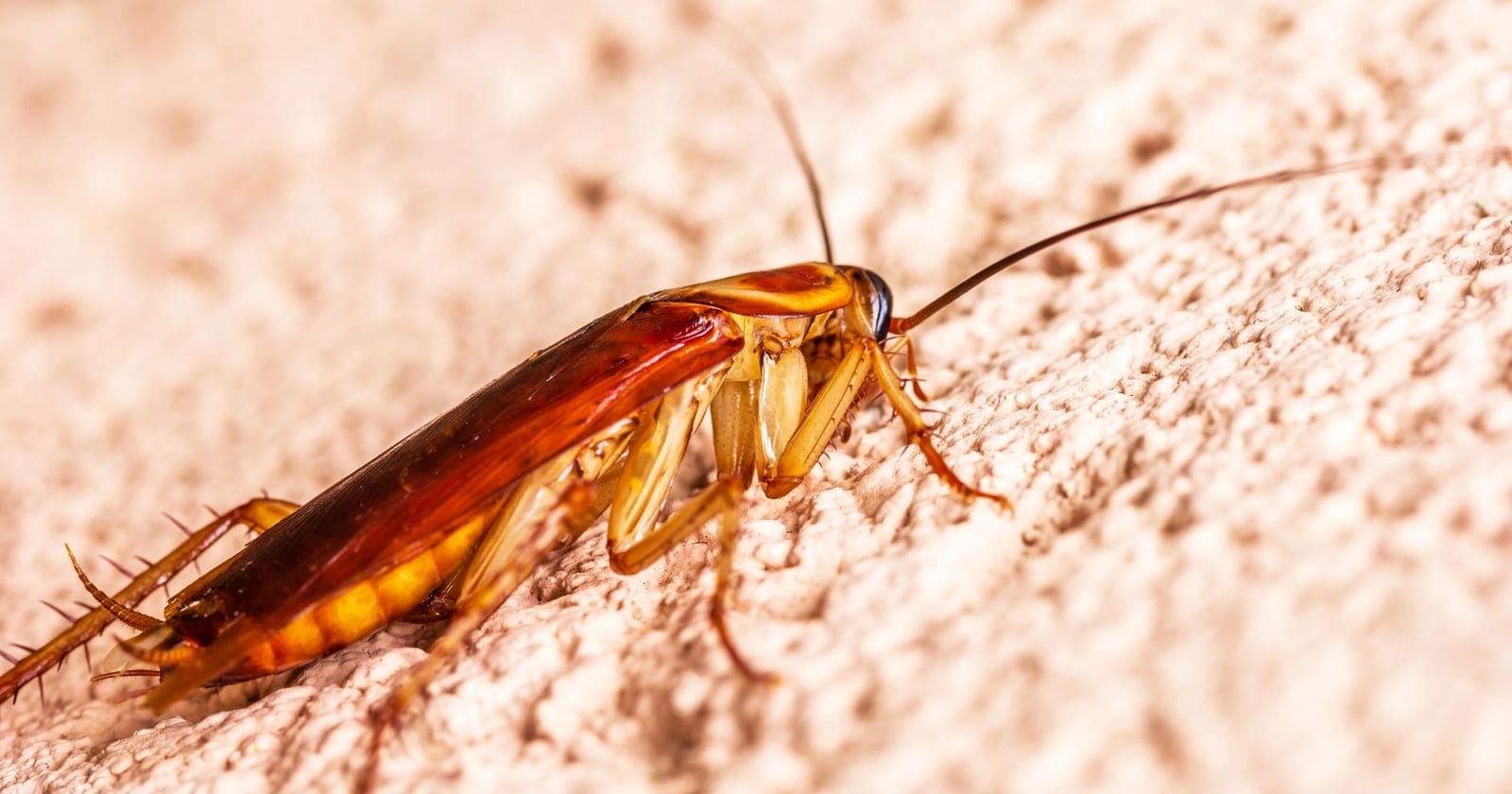
- American cockroach (Periplaneta americana) — reddish-brown, 1.5–2 inches, shiny, fast-moving. The classic “big roach” that shoots out from under a fridge or up a drain. Common in basements, boiler rooms and sub-grade apartments.
- Oriental cockroach (Blatta orientalis) — dark brown to almost black, slower, with a stronger odour. Strongly associated with moisture, decaying organic matter, drains and damp basements. This is the species most often behind “something is coming up my drain” calls in older buildings.
- Giant water bug (Lethocerus species) — the genuine aquatic “water bug” of ponds and slow streams. It is a true water bug (family Belostomatidae), not a cockroach, and it essentially never turns up in NYC apartments. If what you’re seeing is indoors, in a drain or a basement, it is almost certainly a cockroach, not this insect.
The colloquial use matters practically: when a New Yorker says “water bug,” they mean a large American or Oriental cockroach roughly nine times out of ten. That’s the pest this guide treats.
Why do New Yorkers call cockroaches “water bugs”?
Partly euphemism — “water bug” sounds less alarming than “cockroach” — and partly accuracy: these are the roaches you find near water and moisture sources (drains, basements, boiler rooms), as opposed to the small German cockroaches that infest dry kitchen cabinets. The name stuck because it describes where you encounter them, not what they biologically are.
Why old NYC buildings get them
Pre-war walk-ups, brownstones and older multi-unit buildings have three structural features that make water bug pressure a recurring problem rather than a one-off:
- Original plumbing and shared risers. Vertical pipe chases run between floors and units, often with ageing seals around penetrations. Cockroaches use these as highways between a building’s basement and every apartment stacked above it.
- Floor drains and basement moisture. Basements, boiler rooms and cellar storage areas in older buildings frequently have standing damp, floor drains, or sump areas — exactly the humid, dark conditions Oriental and American cockroaches prefer.
- Sewer connections. Older lateral sewer lines and drain traps that have dried out (common in units used infrequently, like basement laundry rooms) create a direct, unblocked route from the sewer into the building.
Because the source lives in shared building infrastructure, not inside any one apartment, water bug problems tend to resurface across multiple units even after an individual apartment is treated — which is why building-level coordination matters as much as in-unit treatment.
How to get rid of water bugs, step by step
- Confirm what you have. A large, shiny, reddish-brown or dark roach coming from a drain or basement is a water bug in the NYC sense. If it’s small and tan with two stripes and you’re seeing it in kitchen cabinets, that’s a German cockroach — a different problem with a different treatment (gel bait at harbourages, not drain work).
- Treat and cover drains. This is their main highway in. Drain covers, drain gel treatments and having plumbing chases professionally treated cuts the route off at the source.
- Seal plumbing and entry gaps. Seal gaps around pipes, under sinks, behind toilets, and under exterior and basement doors with caulk or foam sealant — anywhere a pipe or cable passes through a wall is a potential entry point.
- Reduce moisture. Fix leaks promptly, run a dehumidifier in damp basements, improve bathroom and kitchen ventilation, and don’t let standing water sit in floor drains or sump pits. Moisture is the single biggest driver of water bug activity.
- Treat harbourage points. Professional crack-and-crevice treatment, targeted gel bait, and insect growth regulators (IGRs) applied at basements, plumbing chases and known entry points knock down the population at its source — this is where DIY sprays fall short, because they only reach what’s visible on the surface.
- Address the building, not just your unit. In co-ops, condos and rental buildings, water bugs come from shared basements, risers and sewer connections. Report activity to your super or management in writing so common areas get treated — an untreated basement will keep reseeding every apartment above it.
Why store-bought sprays fail
Surface sprays kill the water bugs you see but do nothing about the ones still living in the drains, plumbing chases and basement below — so they keep reappearing days or weeks later. Repellent sprays can also scatter a population deeper into wall voids and adjacent units, making the problem harder to reach. The fix is treating the entry routes and reducing the moisture that draws them, not chasing individual roaches with a can of spray.
What does water bug extermination cost in NYC?
Pricing depends on how the infestation is entering (a single unit vs. building-wide sewer pressure), how much basement and drain work is needed, and whether follow-up visits are required to confirm the population has cleared. Rather than quote a figure that won’t reflect your building, get an inspection-based estimate — our cockroach exterminator cost guide breaks down typical treatment types and what drives price up or down.
When to call a professional
Isolated sightings after heavy rain, or a single roach that wandered up from an open drain, sometimes resolve with sealing and drain covers alone. But recurring sightings, activity in multiple rooms, or reports from neighbours in the same building point to an established source in shared plumbing or the basement — that needs professional treatment at the entry points, not another can of spray. See our professional cockroach and water bug control service for how we handle drain treatment, exclusion and building-level coordination, or call for a prompt inspection.
Apartment, brownstone or basement unit: what changes?
Upper-floor apartments in pre-war buildings usually see water bugs travelling up through shared risers and plumbing chases rather than entering directly — the fix is sealing pipe penetrations in your own unit while the building addresses the source lower down.
Garden-level and basement apartments sit closest to the actual entry points — sewer connections, floor drains, sump areas — so they tend to see the heaviest and most frequent activity. Drain treatment and moisture control matter most here.
Brownstones with cellar storage or laundry often have infrequently used floor drains that dry out, breaking the water seal that normally blocks sewer gas and roaches alike. Running water through unused drains periodically, or having them treated, closes that route.
In every case, the unit closest to the basement or street level typically needs the most attention, but the whole stack benefits when the source is addressed rather than just the symptom in one apartment.
Reporting building-level water bug activity
If you rent, and the source is in shared basement, riser or sewer infrastructure, treatment of your unit alone won’t hold. Report activity in writing to your super or landlord so common areas get inspected and treated — building-wide pest issues, including water bugs entering from shared plumbing, are generally the landlord’s responsibility to address under NYC housing maintenance rules. If nothing is done after a written report, NYC 311 accepts pest-related housing complaints, and the NYC Department of Health publishes general guidance on pest prevention for residents.
Preventing water bugs from coming back
Once a water bug problem is cleared, the routes that let them in don’t fix themselves. Keep drains covered when not in use, address leaks as soon as they appear, ventilate basements and bathrooms to keep humidity down, and re-seal any new gaps around pipework after plumbing work. If you’re in a multi-unit building, staying on top of shared-area reports is as important as anything done inside your own apartment — a building with an untreated basement will keep sending water bugs back up the risers no matter how well any single unit is sealed. For an ongoing plan, professional cockroach and water bug control typically includes a follow-up visit to confirm the source has been addressed, not just the symptoms.