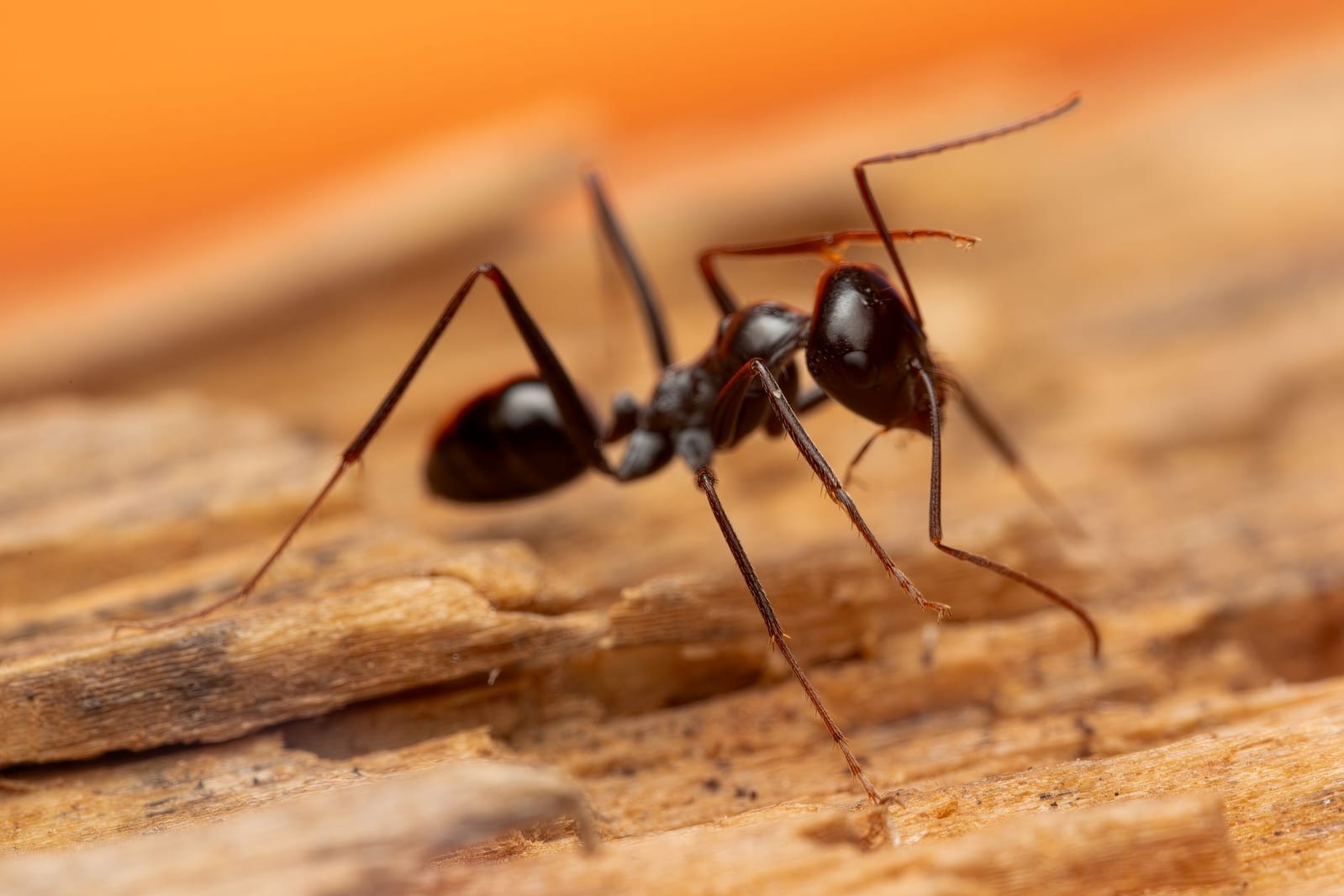
Ant control is among the most common pest issues we treat in Harlem. Harlem's green edges — Marcus Garvey Park, St. Nicholas Park and Morningside Park — drive the warm-season pressure residents search for most: ants foraging indoors from spring through autumn, spiders moving in around old window frames and basements, and mosquitoes breeding in standing water after summer rain. These are common in ground-floor, garden and brownstone-rear apartments backing onto the parks.
Ant control in Harlem: what to know
Harlem's housing is dominated by pre-war apartment buildings, historic brownstones and walk-ups — handsome buildings with deep baseboard gaps, shared wall voids and aging plumbing that let rodents and cockroaches travel freely between units.
The dense restaurant and retail corridor along 125th Street and Lenox Avenue creates constant food-source pressure that feeds rodent and roach populations into the surrounding residential blocks.
Brownstone conversions are especially prone to bed bug spread through shared walls and hallways, and to 'water bugs' rising through old shared plumbing from basements.
Harlem's green edges — Marcus Garvey Park, St. Nicholas Park and Morningside Park — drive the warm-season pressure residents search for most: ants foraging indoors from spring through autumn, spiders moving in around old window frames and basements, and mosquitoes breeding in standing water after summer rain. These are common in ground-floor, garden and brownstone-rear apartments backing onto the parks.
How much does carpenter ant & ant control cost in Harlem?
$60–$500
National average: $150–$250 per visit (Angi). Typical single treatment: $80–$500 (small infestation). Bob Vila national range: $60–$215. Follow-up/retreatment visits: $40–$120.
US national figure — NYC typically runs higher.
NYC pest-control pricing tends to run higher in Manhattan than in Brooklyn or Queens — tier-2 NYC industry sources cite roughly a 10–20% premium, attributed to building-access logistics (walk-ups, elevators, doorman/board approval) and labour costs. This is directional signal from industry blogs, not an independently verified figure — confirm with a quote for your specific building.
Market range — not our quote
This is a market range synthesised from published cost guides — not a quote from this provider. The actual price depends on an in-person or photo-based inspection.
US national — NYC typically higher; no NYC-specific ant cost guide located, unlike bed bugs/rats/roaches.
What drives the price
- Infestation location (attic/basement/exterior walls cost more than kitchen/living space due to access difficulty)
- Severity
- Treatment method
- One-off vs follow-up retreatment
Signs you need ant control
- Visible ant trails in the kitchen or along baseboards, more common in warm months near the Prospect Park edge of the neighbourhood
- Ants entering through original masonry mortar gaps, window sills, or utility penetrations at ground level
- Small piles of soil-like debris ('frass') near foundation cracks or sill plates, sometimes a sign of carpenter ants in older timber floor joists
- Ant activity that appears seasonally rather than year-round, tracking warmer weather when outdoor colonies forage more aggressively
- Trails that seem to originate from a shared wall or floor void rather than an obvious point of entry
How we treat ant control in Harlem
Being on the edge of Prospect Park gives Park Slope more outdoor ant pressure than blocks farther from green space — ants foraging in the park's tree cover and lawns move toward the nearest food source in warm months, and the closest food source is often a kitchen a few feet from the park boundary.
Once ants are foraging, Park Slope's housing stock gives them an easy way in: original or partially renovated masonry with mortar gaps and deteriorated sill plates, common across the neighbourhood's brownstone and limestone row houses, are exactly the kind of small gaps ants use to move from outside soil into a foundation wall and then indoors.
Local landmarks & coverage
We serve all of Harlem and the surrounding Manhattan area — including Apollo Theater, 125th Street, Marcus Garvey Park, St. Nicholas Park, Morningside Park, Striver's Row, Lenox Avenue — across ZIP codes 10026, 10027, 10030, 10037, 10039.