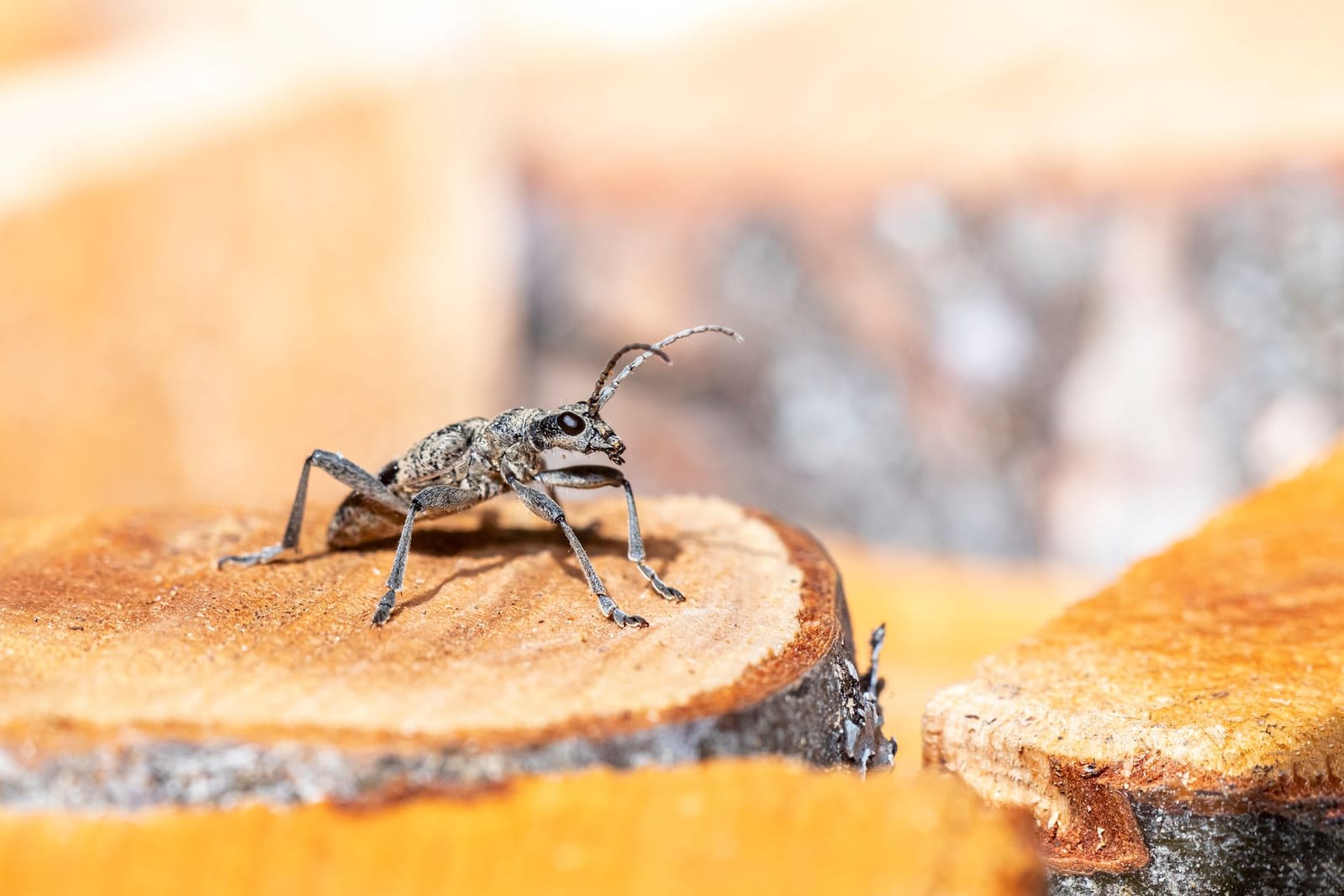
Beetle infestations get lumped together by homeowners but split into two genuinely different pests with different sources. Pantry beetles — saw-toothed grain beetles, cigarette beetles, drugstore beetles — breed inside stored dry goods: flour, cereal, pasta, birdseed, pet food, spices left open or in thin packaging. Carpet beetles are a separate species entirely, feeding on animal-fibre materials — wool rugs, fur, feathers, silk, and sometimes dead insects or rodent remains trapped in a wall void or chimney.
Brooklyn Heights and Carroll Gardens' brownstone and limestone row houses carry exactly the housing stock that sustains carpet beetle activity: original wool area rugs, antique upholstered furniture, and closets full of natural-fibre clothing that's rarely disturbed. Park Slope's similar row-house stock sees the same pattern. Once carpet beetle larvae establish in a rug's underside or a closet corner, they can go unnoticed for months because the damage — small, irregular holes in fabric — looks like ordinary wear at first.
Pantry beetles show up differently and faster: small brown beetles appearing in a kitchen cabinet within days of a new problem, usually traced back to one infested package. In Flatbush and Crown Heights' family-dense apartment buildings, a single infested bag of pantry goods bought from a shared bulk source can seed multiple units before anyone identifies the source.
Signs you have a beetle control problem
- Small reddish-brown beetles in kitchen cabinets, often near an open bag of flour, cereal, or pet food
- Irregular holes or bald patches appearing in a wool rug, sweater, or upholstered furniture that wasn't there before
- Shed larval skins (small, bristly casings) in closet corners, under baseboards, or along carpet edges
- Fine, dust-like debris ('frass') collecting near a pantry shelf or inside a food package
- Adult beetles found near a window or light fixture with no obvious food source nearby — often a sign of a carpet beetle problem, not pantry
Why Park Slope sees this
Brooklyn Heights and Carroll Gardens' brownstone row houses — with original wool rugs, antique furniture, and rarely-disturbed closets — are exactly the housing stock that sustains a slow-building carpet beetle problem most homeowners don't notice until fabric damage is visible.
Flatbush and Crown Heights' denser apartment buildings see more pantry-beetle activity tied to shared bulk food sources and closer-quarters kitchens, where one infested package can spread faster between units than a fabric-feeding pest ever would.