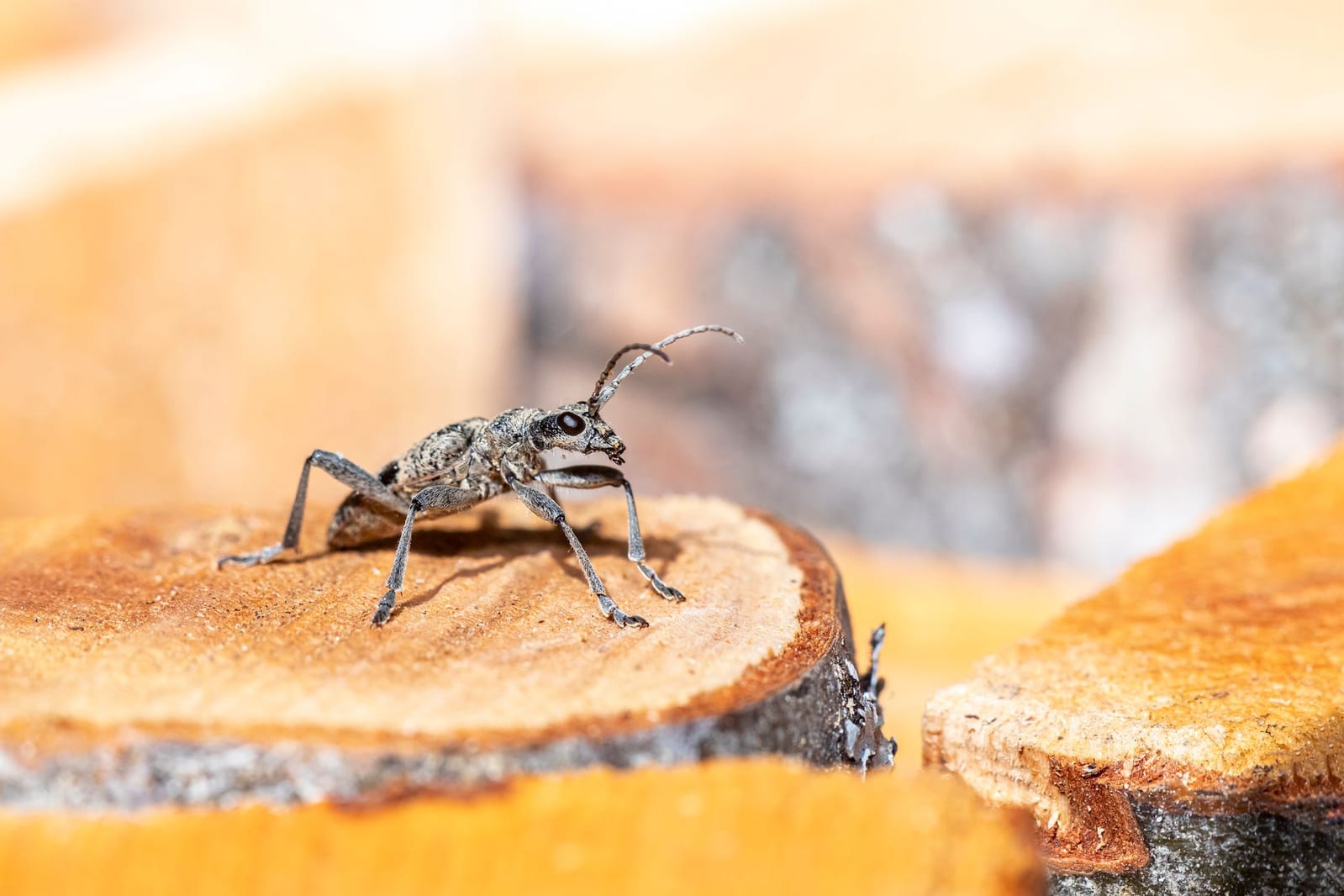
Beetle control in Harlem: what to know
Harlem's housing is dominated by pre-war apartment buildings, historic brownstones and walk-ups — handsome buildings with deep baseboard gaps, shared wall voids and aging plumbing that let rodents and cockroaches travel freely between units.
The dense restaurant and retail corridor along 125th Street and Lenox Avenue creates constant food-source pressure that feeds rodent and roach populations into the surrounding residential blocks.
Brownstone conversions are especially prone to bed bug spread through shared walls and hallways, and to 'water bugs' rising through old shared plumbing from basements.
Harlem's green edges — Marcus Garvey Park, St. Nicholas Park and Morningside Park — drive the warm-season pressure residents search for most: ants foraging indoors from spring through autumn, spiders moving in around old window frames and basements, and mosquitoes breeding in standing water after summer rain. These are common in ground-floor, garden and brownstone-rear apartments backing onto the parks.
Signs you need beetle control
- Small reddish-brown beetles in kitchen cabinets, often near an open bag of flour, cereal, or pet food
- Irregular holes or bald patches appearing in a wool rug, sweater, or upholstered furniture that wasn't there before
- Shed larval skins (small, bristly casings) in closet corners, under baseboards, or along carpet edges
- Fine, dust-like debris ('frass') collecting near a pantry shelf or inside a food package
- Adult beetles found near a window or light fixture with no obvious food source nearby — often a sign of a carpet beetle problem, not pantry
How we treat beetle control in Harlem
Beetle infestations get lumped together by homeowners but split into two genuinely different pests with different sources. Pantry beetles — saw-toothed grain beetles, cigarette beetles, drugstore beetles — breed inside stored dry goods: flour, cereal, pasta, birdseed, pet food, spices left open or in thin packaging. Carpet beetles are a separate species entirely, feeding on animal-fibre materials — wool rugs, fur, feathers, silk, and sometimes dead insects or rodent remains trapped in a wall void or chimney.
Brooklyn Heights and Carroll Gardens' brownstone and limestone row houses carry exactly the housing stock that sustains carpet beetle activity: original wool area rugs, antique upholstered furniture, and closets full of natural-fibre clothing that's rarely disturbed. Park Slope's similar row-house stock sees the same pattern. Once carpet beetle larvae establish in a rug's underside or a closet corner, they can go unnoticed for months because the damage — small, irregular holes in fabric — looks like ordinary wear at first.
Local landmarks & coverage
We serve all of Harlem and the surrounding Manhattan area — including Apollo Theater, 125th Street, Marcus Garvey Park, St. Nicholas Park, Morningside Park, Striver's Row, Lenox Avenue — across ZIP codes 10026, 10027, 10030, 10037, 10039.