Flea control in The Bronx: what to know
The Bronx is dominated by large pre-war apartment buildings, especially along the Grand Concourse — interconnected basements, shared trash rooms and aging plumbing drive heavy mouse, rat and German-cockroach pressure.
Busy commercial corridors like Fordham Road and the borough's restaurant density feed rodents into surrounding residential blocks.
High-density apartment living makes bed bug spread between units a constant risk, and 'water bugs' from shared plumbing are common in older buildings.
Signs you need flea control
- Small, fast-jumping insects near pet bedding or resting spots
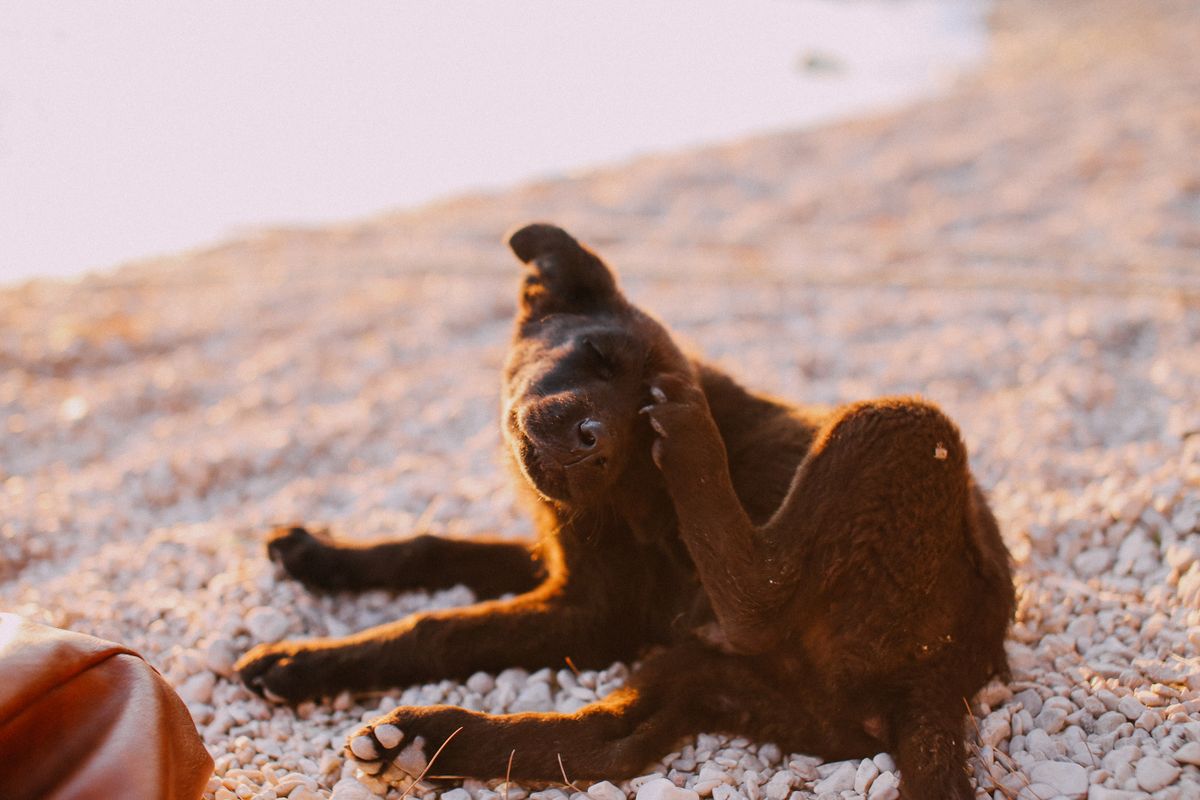
- Pets scratching, biting at their skin, or over-grooming more than usual
- Small red, itchy bites on ankles and lower legs, often in clusters
- Tiny dark specks ('flea dirt') on pet bedding or light-colored carpet
- Fleas appearing after a new pet, a boarding stay, or known wildlife activity in the yard
How we treat flea control in The Bronx
Fleas don't originate from poor housekeeping — they come in on a dog, cat, or through wildlife activity near the home (a raccoon or stray denning nearby is enough), and once they're inside they establish in carpet fibers, baseboards, and anywhere a pet rests. That's why a flea job is never just a spray: it has to run alongside your vet's flea treatment for the animal, or the environmental treatment alone won't hold.
Flea eggs and larvae hide deep in carpet pile and along baseboards, which is why a single visible flea is rarely the whole story. Our treatment targets those developmental stages directly, not just the adult fleas you can see jumping.
Local landmarks & coverage
We serve all of The Bronx and the surrounding The Bronx area — including Grand Concourse, Yankee Stadium, Bronx Zoo, Fordham Road — across ZIP codes 10451, 10452, 10453, 10456, 10457, 10458.