Skip to content
Mon–Fri & Sun: 8am–6pm · Closed Saturday
ES
Big Apple Pest Control Licensed NYC Exterminators

Pantry & Clothing Moth Control in Park Slope

Big Apple Pest Control treats moth problems based on which type you have — clothes moths damaging wool and natural-fiber fabric, or pantry moths infesting stored dry goods — because the two live in completely different parts of a home and need different treatment.

Pantry / Indian meal mothsClothing moths

Get Your Free Quote

Or call now: (929) 706-1229

Licensed
& insured NY exterminators
4.6★
85 Google reviews
All 5 Boroughs
Neighbourhood-level NYC coverage
Guaranteed
We return until it's resolved

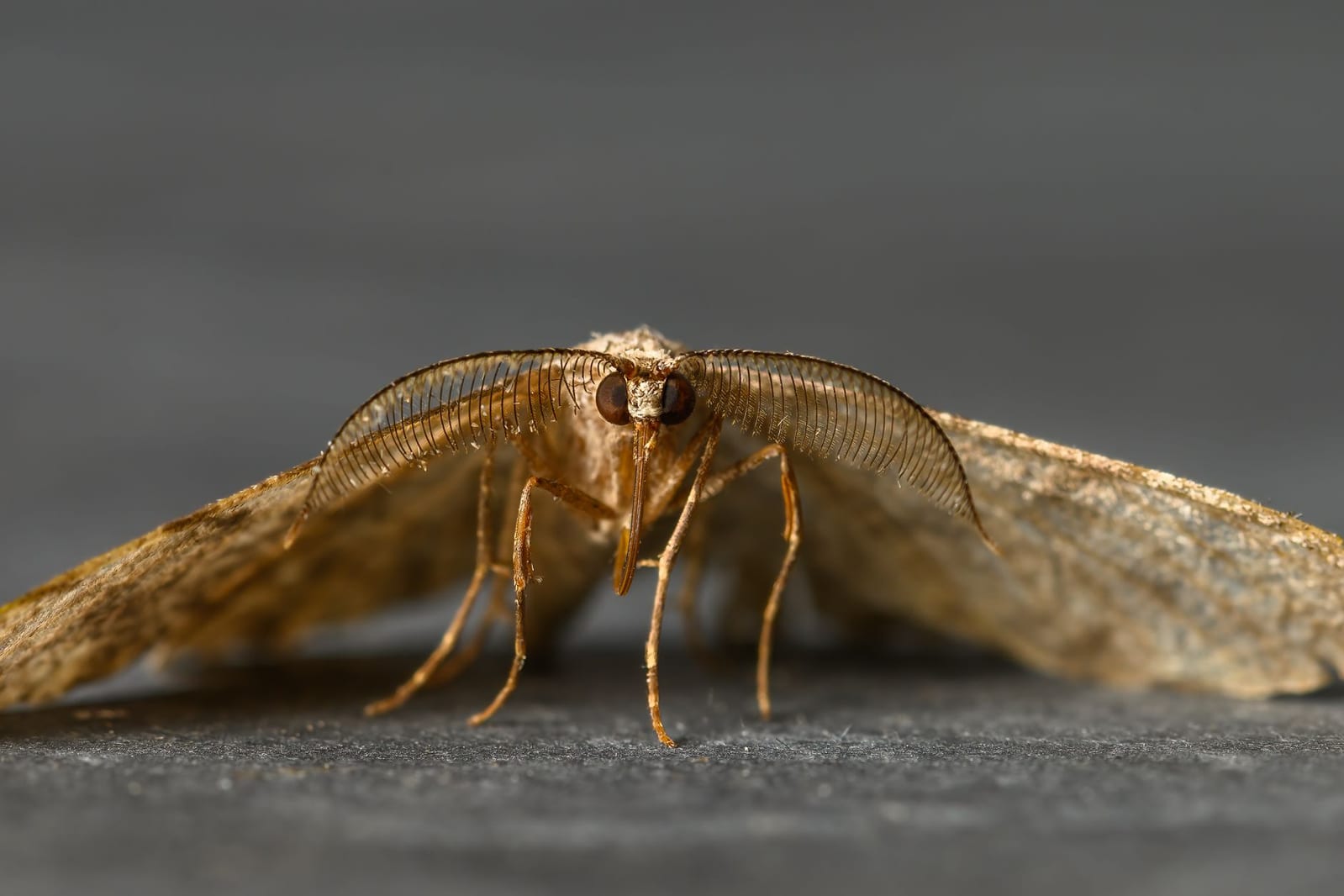
Moth infestations split into two distinct problems that get confused often. Clothes moths target wool, fur, and other natural-fiber fabrics — and it's the larvae, not the adult moths, that cause the actual damage, feeding quietly in closets, chests, and storage boxes for weeks before anyone notices holes in a sweater or coat. Pantry moths are a kitchen problem entirely, infesting stored dry goods like flour, grains, cereal, and pet food, usually arriving in a product package rather than from outside.

Because the damage from clothes moths is done by larvae you may never see, an inspection has to check inside storage — folded wool items, the corners of closets and drawers, area rugs, and any natural-fiber storage that's gone untouched for a while. Pantry moth inspection instead focuses on kitchen and pantry shelving, checking packaged dry goods for the webbing or larvae that signal an active infestation.

Mike Jacoby, the licensed exterminator behind Big Apple Pest Control, treats under NY Pesticide Business Licence #15739 and tailors the inspection and treatment protocol to whichever moth type is actually present.

Signs you have a moth control problem

  • Irregular holes in wool sweaters, coats, rugs, or other natural-fiber items in storage
  • Small silken webbing or larval casings in closet corners, drawers, or folded fabric
  • Small moths flying erratically near a kitchen pantry or dry-goods storage area
  • Webbing or clumping inside a bag or box of flour, grains, cereal, or pet food
  • Adult moths found resting on walls or ceilings near a closet or kitchen, rather than near windows

Why Park Slope sees this

Older prewar buildings in Brooklyn Heights and Harlem often have deep closets and long-term wool storage — coats, rugs, blankets — that go undisturbed for a season or more, which is exactly the setting clothes moth larvae need to do damage unnoticed. We see this pattern regularly in older co-ops and brownstone apartments across our service area.

Pantry moths show up independent of building age or neighborhood, since they typically arrive already in a packaged product rather than from the building itself — a bag of flour, grains, or pet food from a shared pantry supply. Treatment under NY Pesticide Business Licence #15739 starts with identifying and removing the source package before addressing the surrounding shelving.

Simple, transparent process

Our Pantry & Clothing Moth Control Process

  1. 1

    Moth type identification

    We determine whether the issue is clothes moths (fabric-damaging) or pantry moths (stored-goods), since inspection and treatment differ substantially between the two.

  2. 2

    Targeted inspection

    Clothes moth inspection covers closets, storage boxes, and natural-fiber items; pantry moth inspection covers kitchen shelving and packaged dry goods.

  3. 3

    Infested-material handling

    Affected fabric or food items are identified so they can be cleaned, laundered, or discarded as appropriate before treatment.

  4. 4

    Targeted treatment

    Product is applied to affected storage areas, cracks, and shelving rather than a broad room-wide spray.

  5. 5

    Prevention guidance

    We advise on storage practices — sealed containers, regular rotation of stored fabric — that reduce the chance of reinfestation.

Pantry & Clothing Moth Control — FAQs

What's actually eating my sweaters — is it the moths I see flying around?

No — the flying adult moths don't cause fabric damage. It's the larvae, feeding quietly inside storage, that eat through wool and natural fibers. By the time you notice holes, the larvae have often been active for weeks.

If I find moths near my pantry, is my closet at risk too?

Not necessarily. Pantry moths and clothes moths are different species with different food sources — one infests stored dry goods, the other infests fabric — so a pantry infestation doesn't automatically mean your closets are at risk, though both are worth a look during inspection.

Can I just wash the infested clothing and be done with it?

Laundering or dry-cleaning affected items helps kill larvae on those specific pieces, but it doesn't address larvae or eggs elsewhere in the closet or storage area. A full inspection catches what laundering alone would miss.

Need moth control in Park Slope?

Licensed, insured, local NYC exterminators. Call to schedule.

Call Now Free Quote