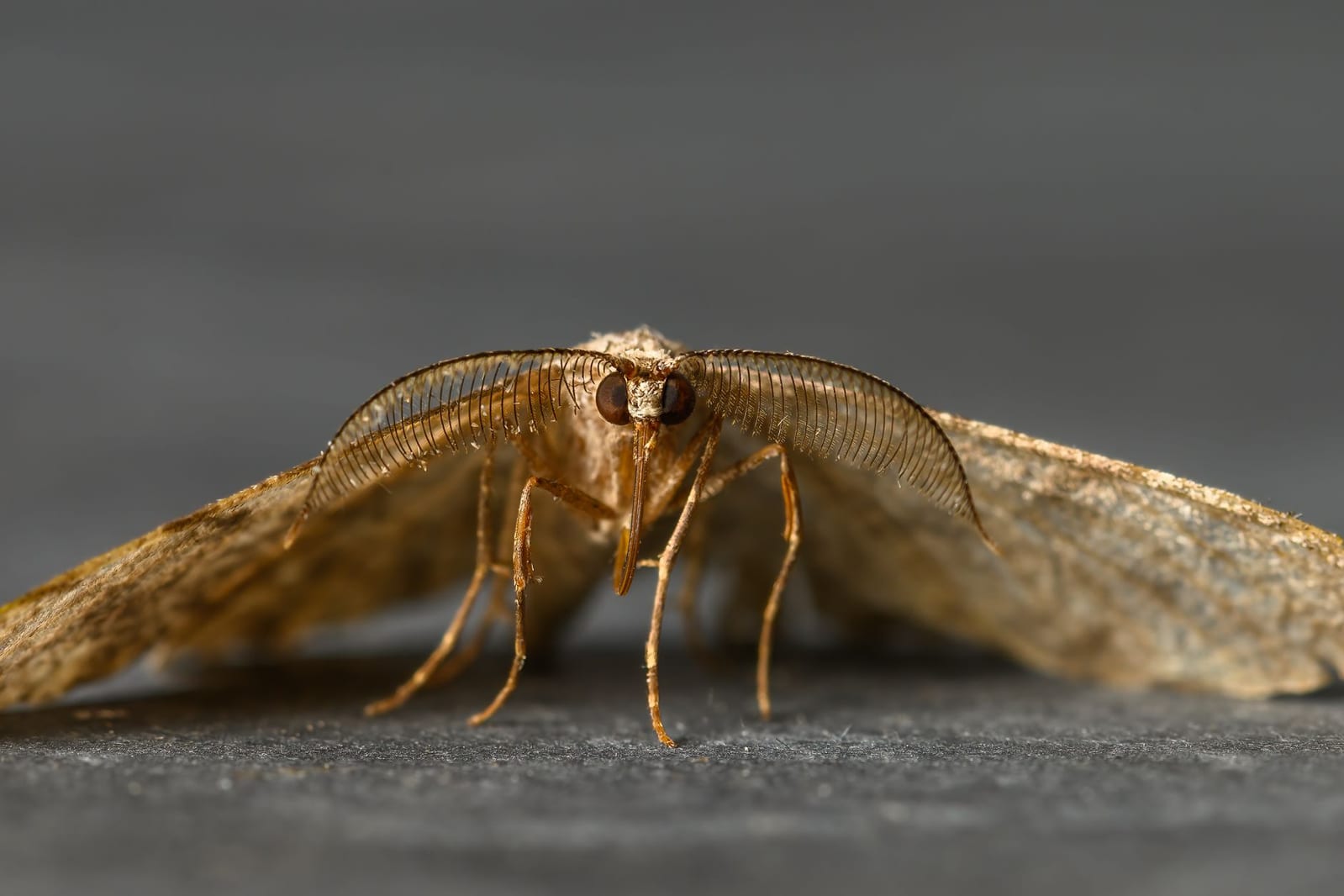
Moth control in Harlem: what to know
Harlem's housing is dominated by pre-war apartment buildings, historic brownstones and walk-ups — handsome buildings with deep baseboard gaps, shared wall voids and aging plumbing that let rodents and cockroaches travel freely between units.
The dense restaurant and retail corridor along 125th Street and Lenox Avenue creates constant food-source pressure that feeds rodent and roach populations into the surrounding residential blocks.
Brownstone conversions are especially prone to bed bug spread through shared walls and hallways, and to 'water bugs' rising through old shared plumbing from basements.
Harlem's green edges — Marcus Garvey Park, St. Nicholas Park and Morningside Park — drive the warm-season pressure residents search for most: ants foraging indoors from spring through autumn, spiders moving in around old window frames and basements, and mosquitoes breeding in standing water after summer rain. These are common in ground-floor, garden and brownstone-rear apartments backing onto the parks.
Signs you need moth control
- Irregular holes in wool sweaters, coats, rugs, or other natural-fiber items in storage
- Small silken webbing or larval casings in closet corners, drawers, or folded fabric
- Small moths flying erratically near a kitchen pantry or dry-goods storage area
- Webbing or clumping inside a bag or box of flour, grains, cereal, or pet food
- Adult moths found resting on walls or ceilings near a closet or kitchen, rather than near windows
How we treat moth control in Harlem
Moth infestations split into two distinct problems that get confused often. Clothes moths target wool, fur, and other natural-fiber fabrics — and it's the larvae, not the adult moths, that cause the actual damage, feeding quietly in closets, chests, and storage boxes for weeks before anyone notices holes in a sweater or coat. Pantry moths are a kitchen problem entirely, infesting stored dry goods like flour, grains, cereal, and pet food, usually arriving in a product package rather than from outside.
Because the damage from clothes moths is done by larvae you may never see, an inspection has to check inside storage — folded wool items, the corners of closets and drawers, area rugs, and any natural-fiber storage that's gone untouched for a while. Pantry moth inspection instead focuses on kitchen and pantry shelving, checking packaged dry goods for the webbing or larvae that signal an active infestation.
Local landmarks & coverage
We serve all of Harlem and the surrounding Manhattan area — including Apollo Theater, 125th Street, Marcus Garvey Park, St. Nicholas Park, Morningside Park, Striver's Row, Lenox Avenue — across ZIP codes 10026, 10027, 10030, 10037, 10039.