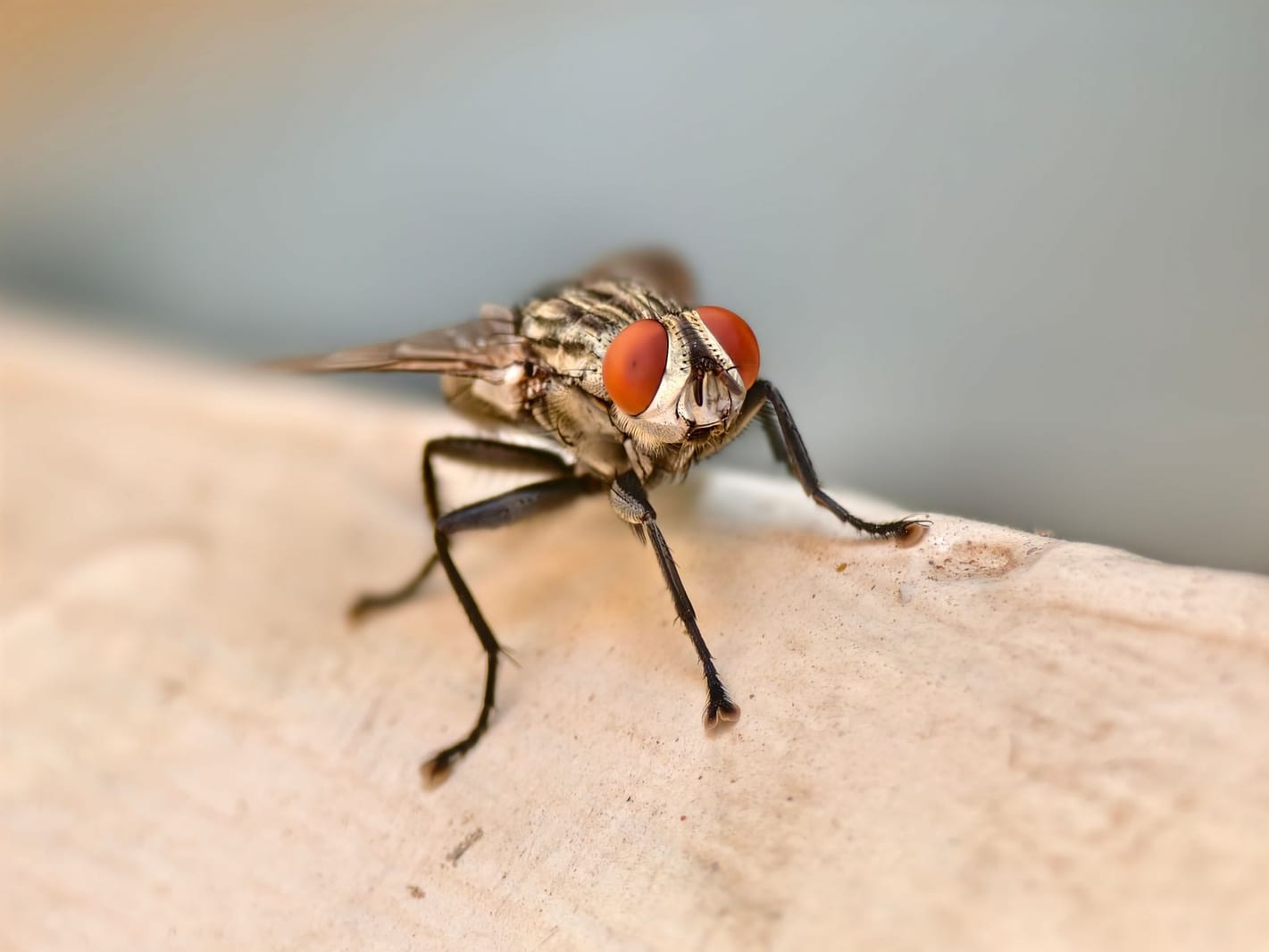
Fly control in Harlem: what to know
Harlem's housing is dominated by pre-war apartment buildings, historic brownstones and walk-ups — handsome buildings with deep baseboard gaps, shared wall voids and aging plumbing that let rodents and cockroaches travel freely between units.
The dense restaurant and retail corridor along 125th Street and Lenox Avenue creates constant food-source pressure that feeds rodent and roach populations into the surrounding residential blocks.
Brownstone conversions are especially prone to bed bug spread through shared walls and hallways, and to 'water bugs' rising through old shared plumbing from basements.
Harlem's green edges — Marcus Garvey Park, St. Nicholas Park and Morningside Park — drive the warm-season pressure residents search for most: ants foraging indoors from spring through autumn, spiders moving in around old window frames and basements, and mosquitoes breeding in standing water after summer rain. These are common in ground-floor, garden and brownstone-rear apartments backing onto the parks.
Signs you need fly control
- Small flies clustering around a specific drain, disposal, or trash area rather than moving freely through the space
- Fly activity that spikes near ripening fruit, recycling bins, or a compost container
- Larvae visible in or around a garbage area, dumpster pad, or drain
- Persistent fly presence in a commercial kitchen despite regular visible cleaning
- Adult flies reappearing within days of being swatted or trapped, suggesting an active breeding site nearby
How we treat fly control in Harlem
"Flies" covers more than one pest, and the fix depends entirely on which one you're dealing with. House flies breed in garbage, organic waste, and anywhere decaying matter sits too long — a restaurant's back area, an overflowing bin, a neglected compost bucket. Fruit flies are a different problem almost entirely: they breed in drains, disposals, and around ripening or rotting produce, and no amount of garbage cleanup fixes a drain-breeding population.
Because the two species need different source elimination, our inspection identifies the fly, traces it back to its breeding site, and treats that site directly rather than just spraying visible adults. In commercial kitchens and restaurant spaces this matters even more, since a small breeding site behind equipment or under a floor drain can sustain a population that outpaces any amount of visible-fly swatting.
Local landmarks & coverage
We serve all of Harlem and the surrounding Manhattan area — including Apollo Theater, 125th Street, Marcus Garvey Park, St. Nicholas Park, Morningside Park, Striver's Row, Lenox Avenue — across ZIP codes 10026, 10027, 10030, 10037, 10039.