Mosquito & tick control in Harlem: what to know
Harlem's housing is dominated by pre-war apartment buildings, historic brownstones and walk-ups — handsome buildings with deep baseboard gaps, shared wall voids and aging plumbing that let rodents and cockroaches travel freely between units.
The dense restaurant and retail corridor along 125th Street and Lenox Avenue creates constant food-source pressure that feeds rodent and roach populations into the surrounding residential blocks.
Brownstone conversions are especially prone to bed bug spread through shared walls and hallways, and to 'water bugs' rising through old shared plumbing from basements.
Harlem's green edges — Marcus Garvey Park, St. Nicholas Park and Morningside Park — drive the warm-season pressure residents search for most: ants foraging indoors from spring through autumn, spiders moving in around old window frames and basements, and mosquitoes breeding in standing water after summer rain. These are common in ground-floor, garden and brownstone-rear apartments backing onto the parks.
How much does mosquito & tick control cost in Harlem?
$50–$2,500
Per-visit: $80–$150. Per-season average: $350–$1,000 (property-dependent; quarter/half-acre seasonal average ~$500). Overall reported range: $50–$2,500. Larvicide-only visits: $80–$120.
| Per-visit | $80–$150 per visit |
| Per-season | $350–$1,000 per season |
US national figure — NYC typically runs higher.
NYC pest-control pricing tends to run higher in Manhattan than in Brooklyn or Queens — tier-2 NYC industry sources cite roughly a 10–20% premium, attributed to building-access logistics (walk-ups, elevators, doorman/board approval) and labour costs. This is directional signal from industry blogs, not an independently verified figure — confirm with a quote for your specific building.
Market range — not our quote
This is a market range synthesised from published cost guides — not a quote from this provider. The actual price depends on an in-person or photo-based inspection.
US national, yard/property-based figures — most NYC pest-control demand is apartment/building interior, so these outdoor-yard-oriented ranges apply best to NYC rowhouse/backyard or small-business-patio contexts, not typical apartment units. No NYC-specific mosquito guide found.
What drives the price
- Property/yard size
- Treatment method (adult spray vs larvicide briquettes vs misting system)
- Single visit vs full-season recurring plan (every ~21 days, April–September)
- Contract length
Signs you need mosquito & tick control
- Standing water anywhere on the property — clogged gutters, saucers under potted plants, tarps, unused kiddie pools
- Mosquito bites concentrated in the early morning or evening, especially in a backyard or near a stoop
- Visible larvae ('wrigglers') in any water that's sat undisturbed for more than a few days
- Overgrown grass, brush, or leaf litter along a fence line or adjacent to green space
- A pet or family member finding an attached tick after time in a park-adjacent yard
How we treat mosquito & tick control in Harlem
Mosquitoes need standing water to breed, and in a dense borough like Brooklyn that water is rarely far away — a clogged gutter, a neglected birdbath, a tarp holding rainwater in a brownstone backyard, or a poorly draining catch basin can all sustain a breeding cycle through the warmer months. Treating the adult mosquitoes you can see is a temporary fix if the source keeps producing more, so our inspection starts by walking the property to identify every water source before any treatment goes down.
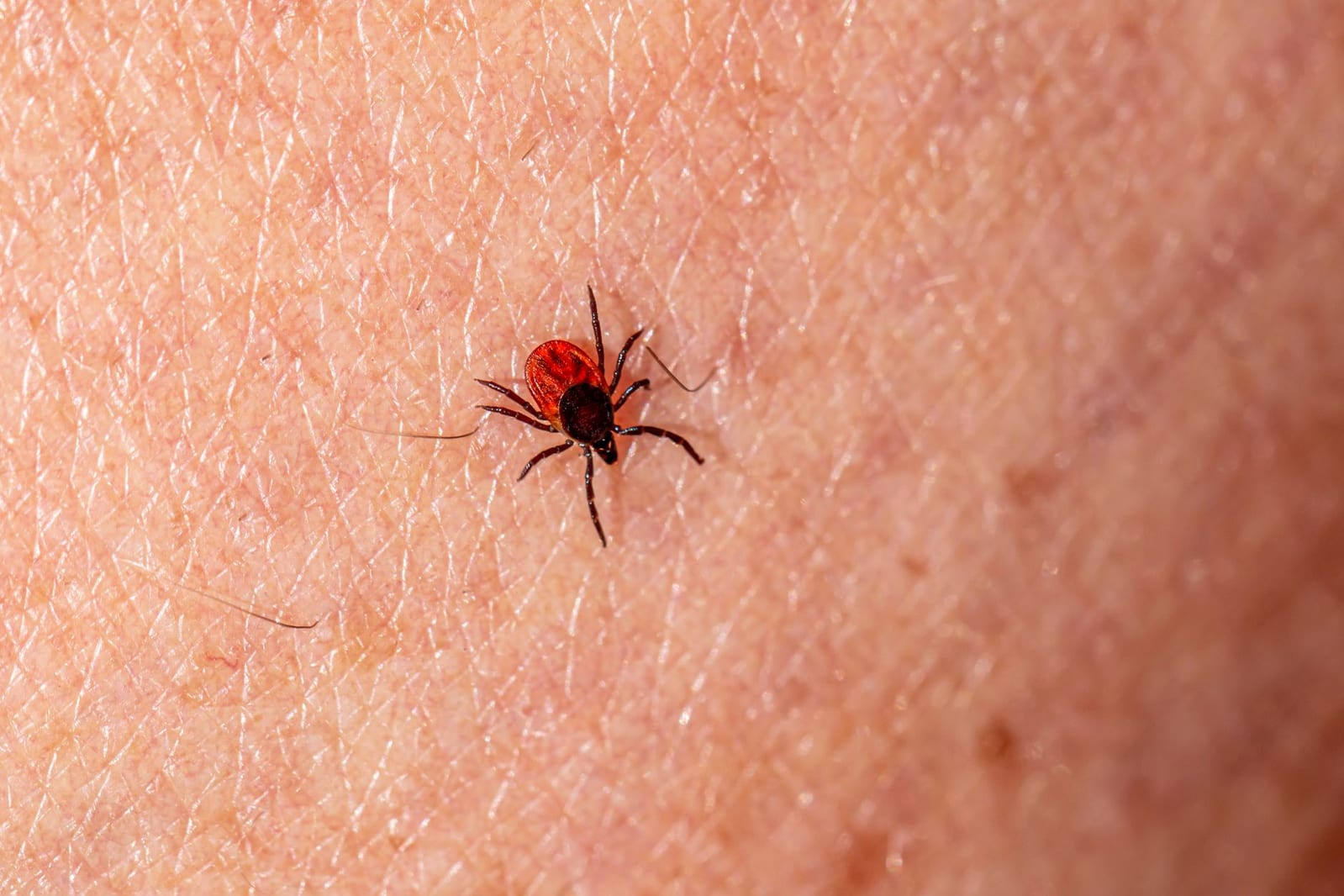
Ticks are a lower-frequency concern in most of our service area than mosquitoes, but they're a real one for properties backing onto parkland, overgrown lots, or green edges where deer, rodents, and tall grass overlap. We're straightforward about relative risk — a rowhouse block with no green space nearby has a very different tick profile than a property abutting Prospect Park — and we scope treatment accordingly rather than selling the same package to every address.
Local landmarks & coverage
We serve all of Harlem and the surrounding Manhattan area — including Apollo Theater, 125th Street, Marcus Garvey Park, St. Nicholas Park, Morningside Park, Striver's Row, Lenox Avenue — across ZIP codes 10026, 10027, 10030, 10037, 10039.