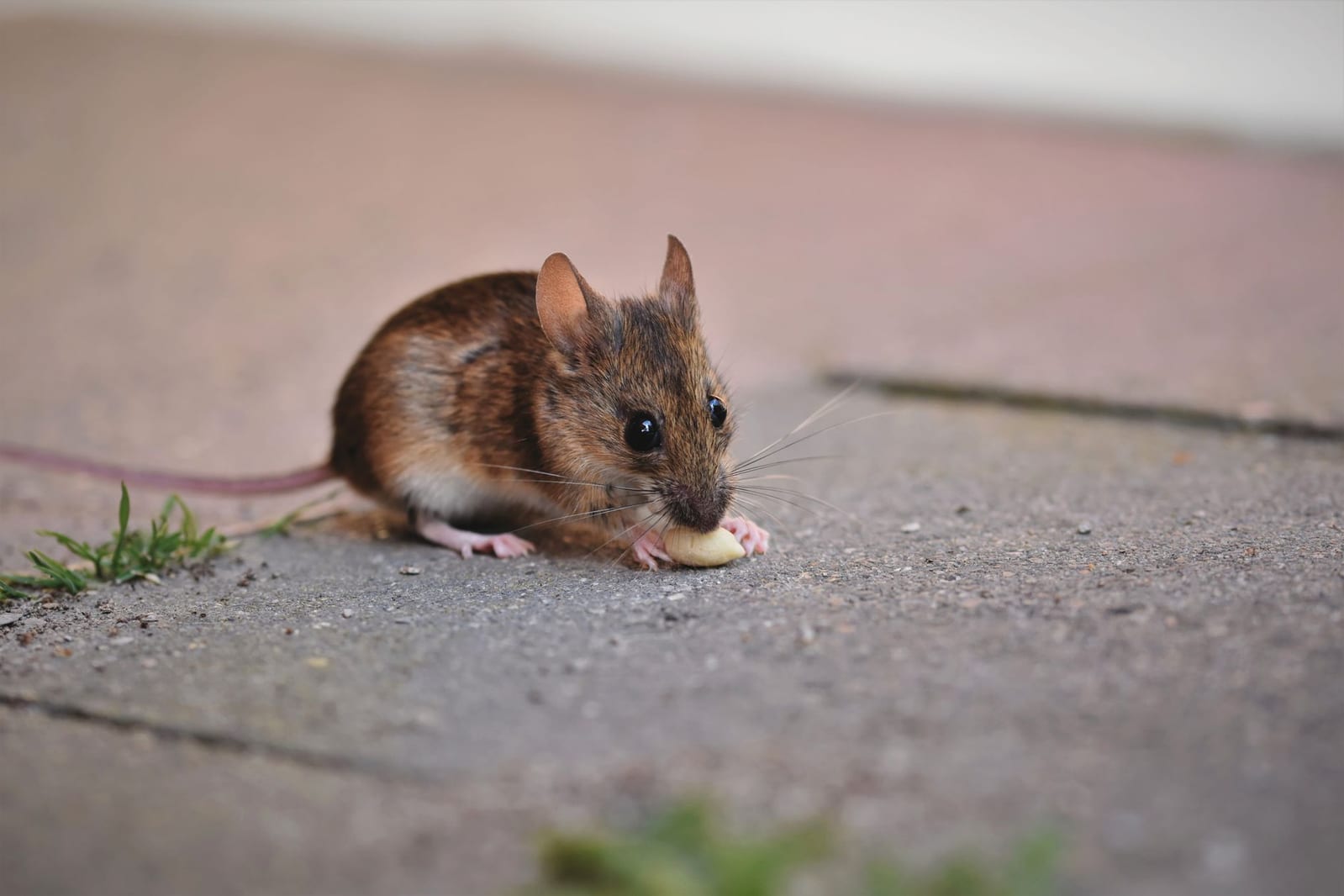
Rodent control in Upper East Side: what to know
The Upper East Side mixes luxury pre-war co-ops with high-rises and townhouses. Even well-kept buildings face bed bug risk from travel-heavy residents and clothing-moth pressure from stored natural fibres and wool.
Shared trash and service areas in large buildings sustain rodent and cockroach pressure regardless of the building's grade.
Discretion matters here — we service co-ops and high-end buildings quietly and provide the documentation boards require.
How much does rat & mouse control cost in Upper East Side?
$200–$1,200
One-time baiting: $200–$500. Exclusion (baiting + entry-point sealing): $400–$900. Ongoing monitoring: $100–$200/month. NYC per-treatment overall: $300–$1,200 (avg ~$475). National per-visit average: $345 (range $216–$495).
| One-time baiting | $200–$500 per treatment |
| Exclusion (baiting + sealing) | $400–$900 per treatment |
| Ongoing monitoring | $100–$200 per month |
NYC pest-control pricing tends to run higher in Manhattan than in Brooklyn or Queens — tier-2 NYC industry sources cite roughly a 10–20% premium, attributed to building-access logistics (walk-ups, elevators, doorman/board approval) and labour costs. This is directional signal from industry blogs, not an independently verified figure — confirm with a quote for your specific building.
Market range — not our quote
This is a market range synthesised from published cost guides — not a quote from this provider. The actual price depends on an in-person or photo-based inspection.
Angi's $345 average (range $216–$495) is the only tier-1, NYC-geo-targeted figure found and is notably lower than the tier-2 NYC blogs' $300–$1,200 claim. Both are shown — do not collapse into a single misleadingly precise number.
What drives the price
- Baiting-only vs full exclusion (sealing entry points)
- Number of visits needed for heavy infestation (3–5 visits can total $700–$1,500)
- Building type / density
- Ongoing monitoring plan vs one-off
Signs you need rodent control
- Fresh burrow holes along the foundation or in a garden-level yard, especially near tree-lined blocks close to Prospect Park
- Droppings in a basement or garden apartment, not just kitchen cabinets
- Gnaw marks around original masonry mortar gaps, deteriorated sill plates, or utility penetrations
- Grease (rub) marks low along foundation walls or basement pipes where rodents travel the same route repeatedly
- Scratching in wall voids or floor joist bays at night — a sign of movement between floors in older timber-frame construction
How we treat rodent control in Upper East Side
Park Slope's residential stock is dominated by attached 3–5 storey brownstone and limestone row houses with basement-level garden apartments — construction that gives Norway rats and house mice ground-level entry points a newer building doesn't have. Original or partially renovated masonry with mortar gaps and deteriorated sill plates, common across 11215, 11217 and 11218, is exactly the kind of foundation-level gap rats burrow toward and mice squeeze through.
The neighbourhood also sits on the edge of Prospect Park, which adds seasonal outdoor rodent pressure beyond what a typical Brooklyn block sees — burrow activity in tree cover and green space near the park boundary can push rats toward the closest residential foundations, especially into garden-level units and basements.
Local landmarks & coverage
We serve all of Upper East Side and the surrounding Manhattan area — including Museum Mile, Central Park, Lenox Hill, Yorkville, Park Avenue — across ZIP codes 10021, 10028, 10065, 10075, 10128.