Pest control built for Queens
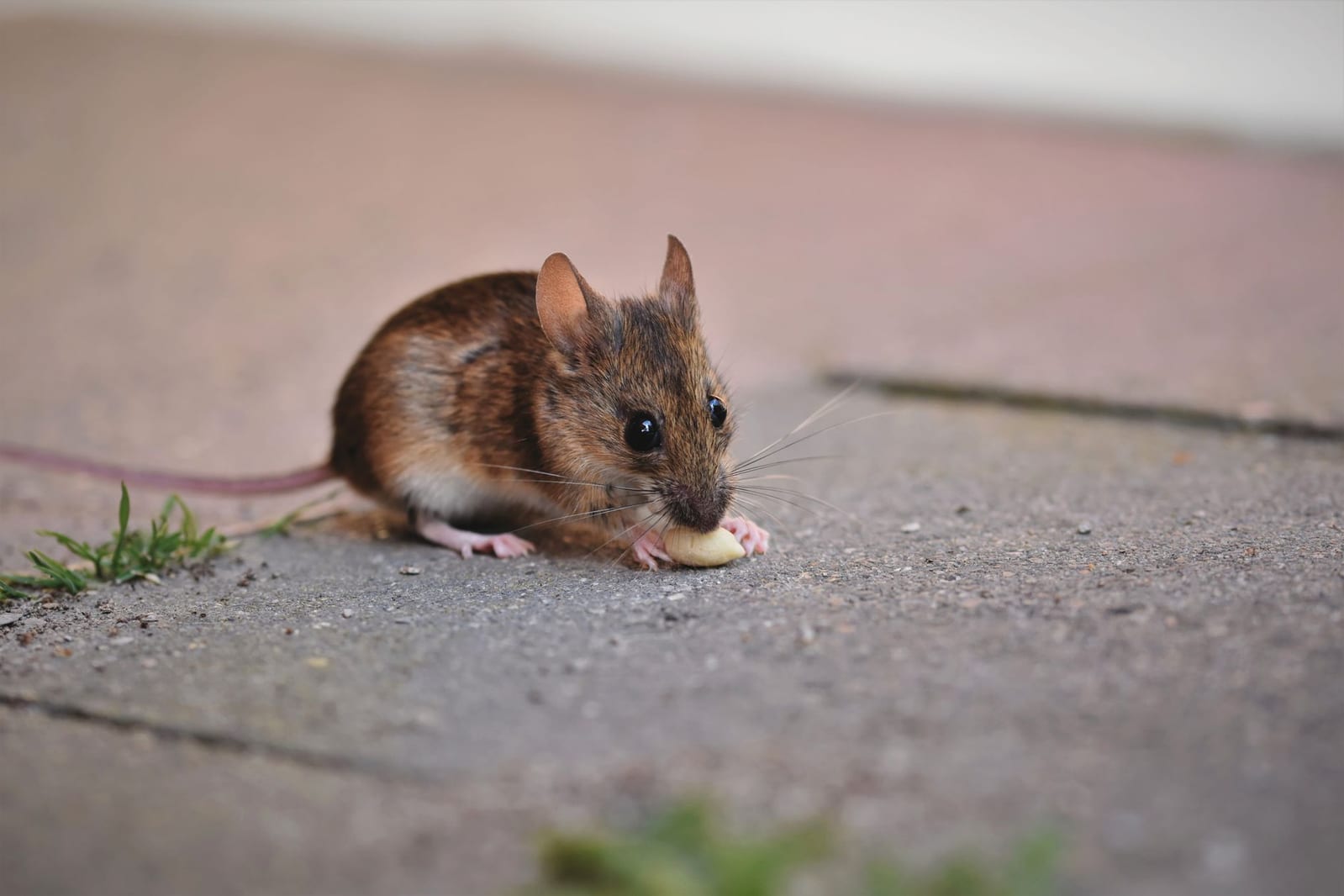
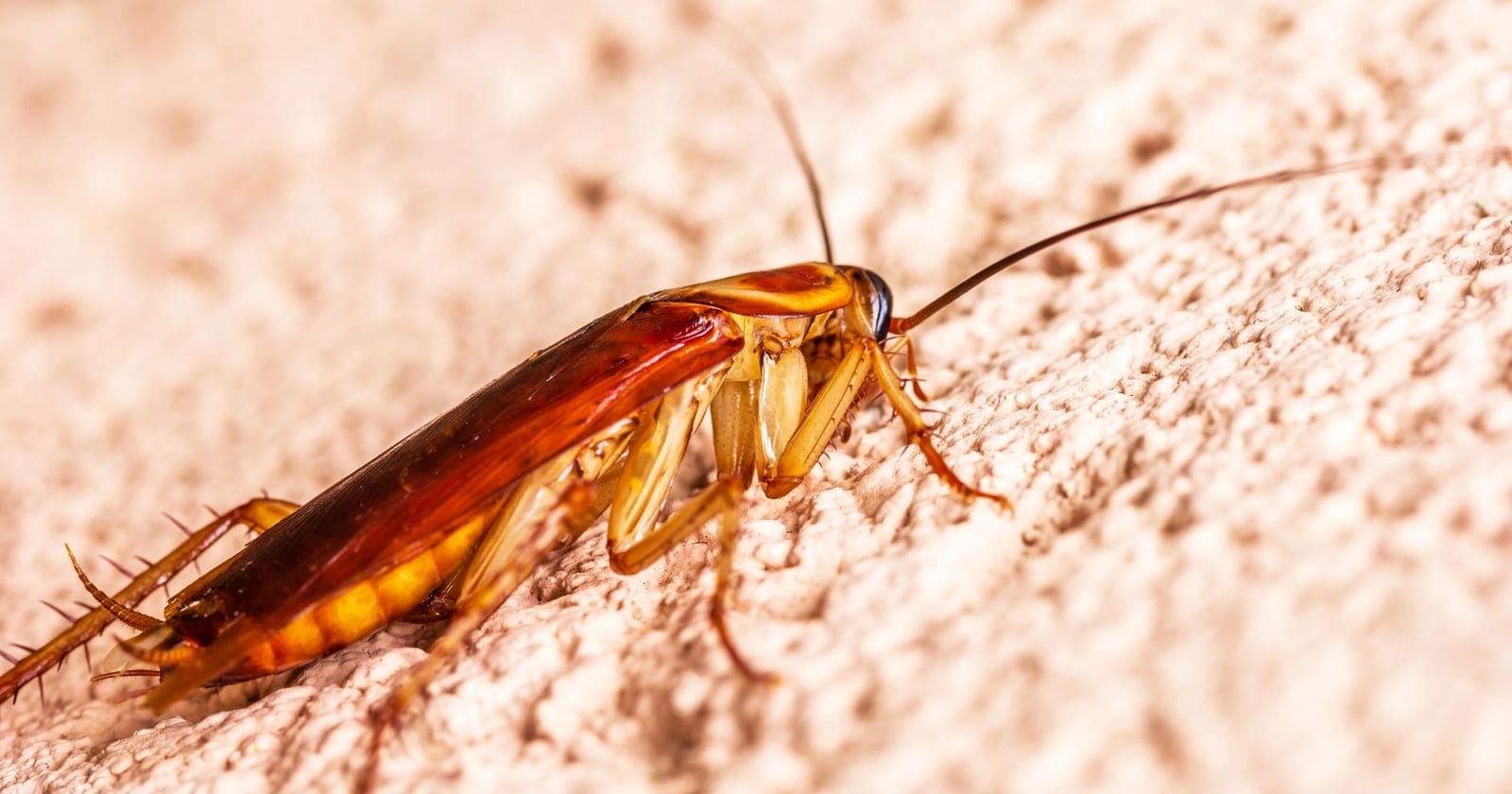
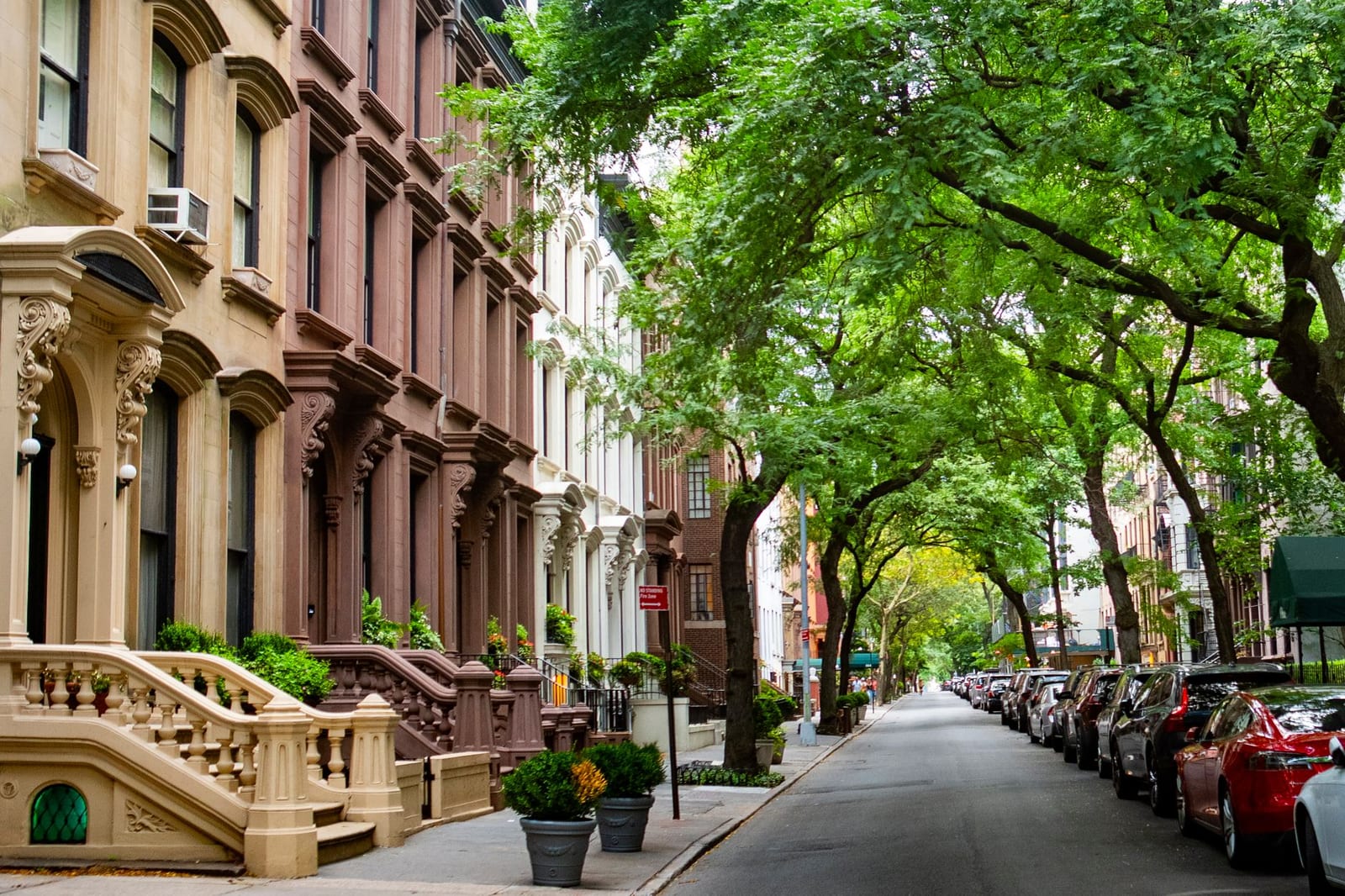
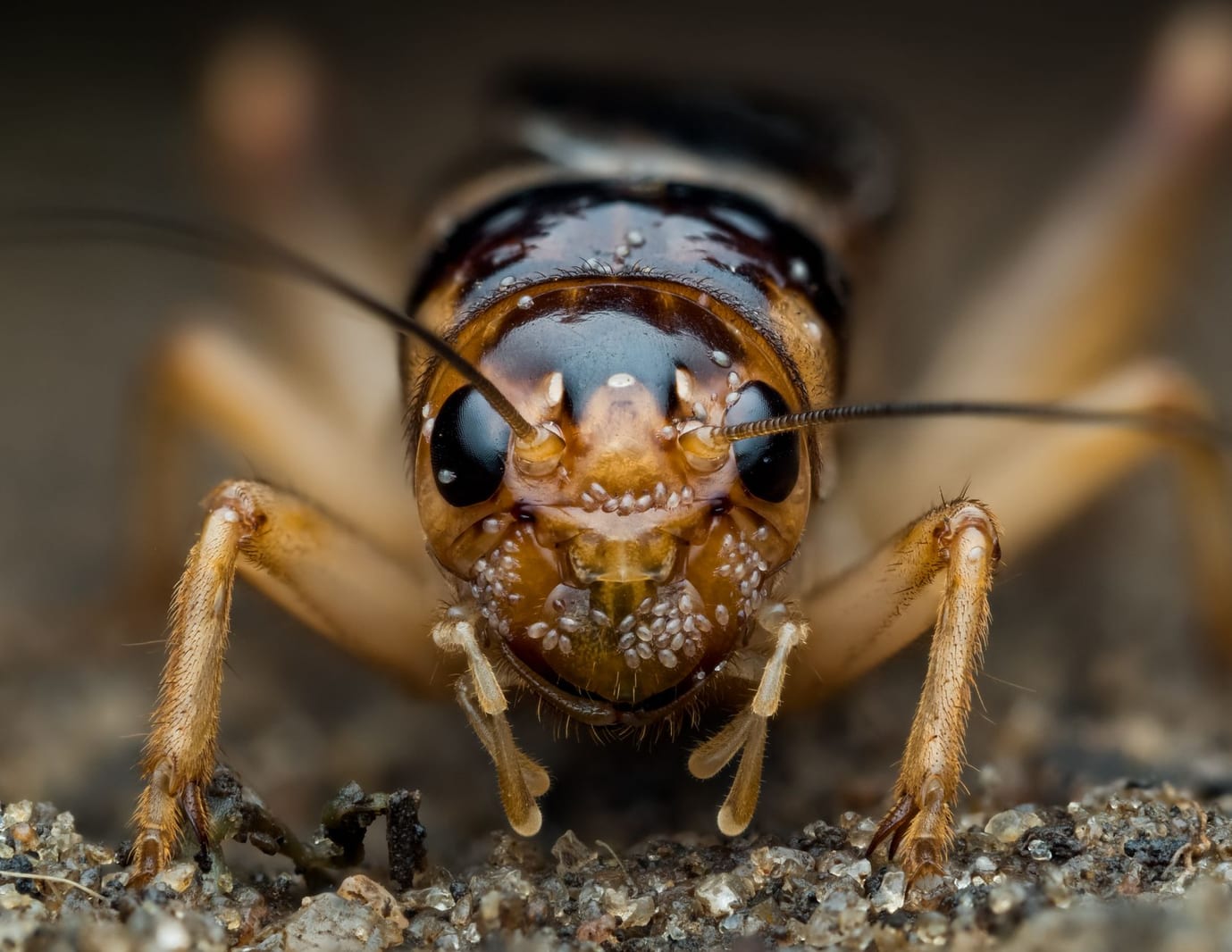
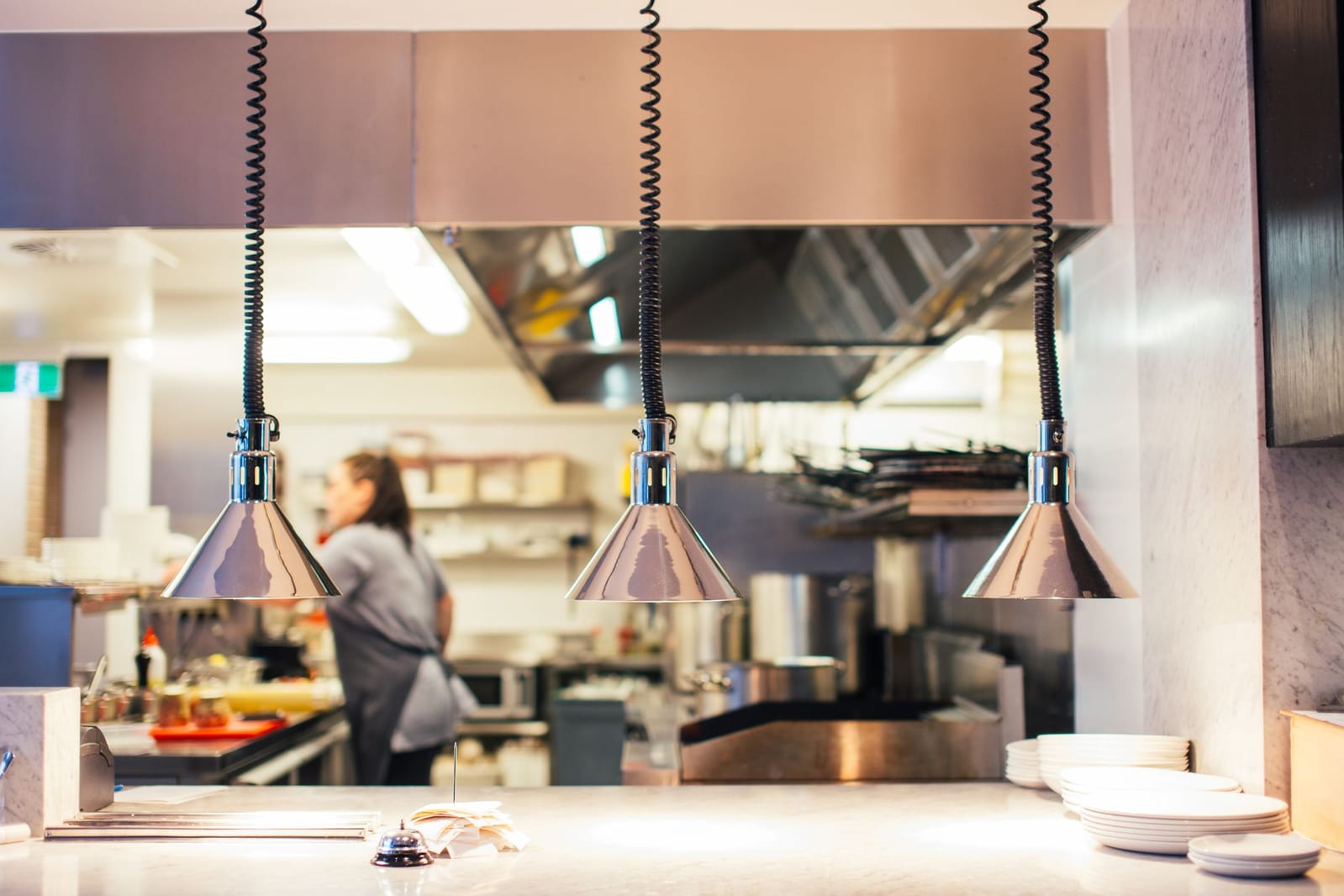
Queens is the most varied borough by housing type, and its pest profile varies with it. The dense pre-war co-ops and garden-apartment buildings of Jackson Heights, Flushing and Forest Hills carry the shared walls, courtyards and ageing plumbing that let mice and German cockroaches move between units, while the borough's intense restaurant and market corridors — Roosevelt Avenue, Main Street in Flushing, Steinway Street in Astoria — drive some of the strongest rodent and roach pressure in the city.
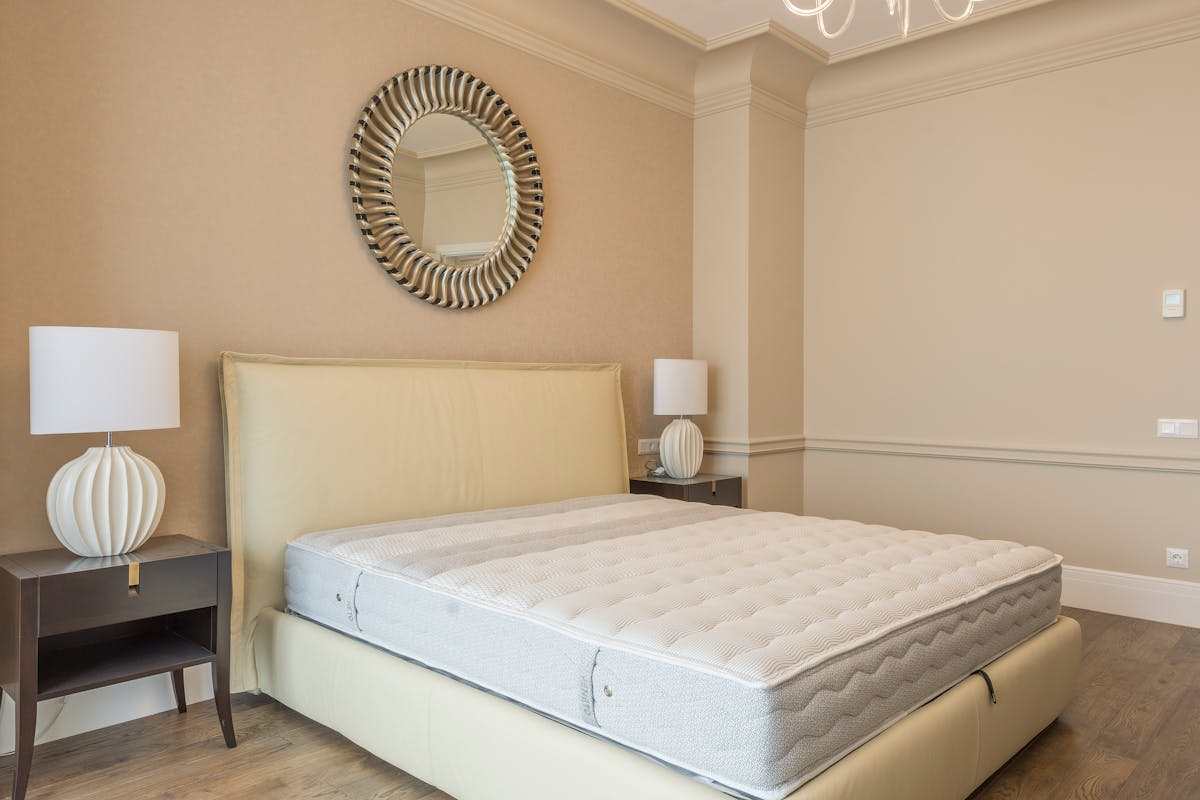
Newer high-rise towers in Long Island City and older converted-industrial stock add elevator- and riser-borne rodent and cockroach pressure plus 'water bugs' from shared basements, and high tenant turnover across the rental stock keeps bed bugs a live concern in dense neighbourhoods like Jackson Heights and Jamaica.
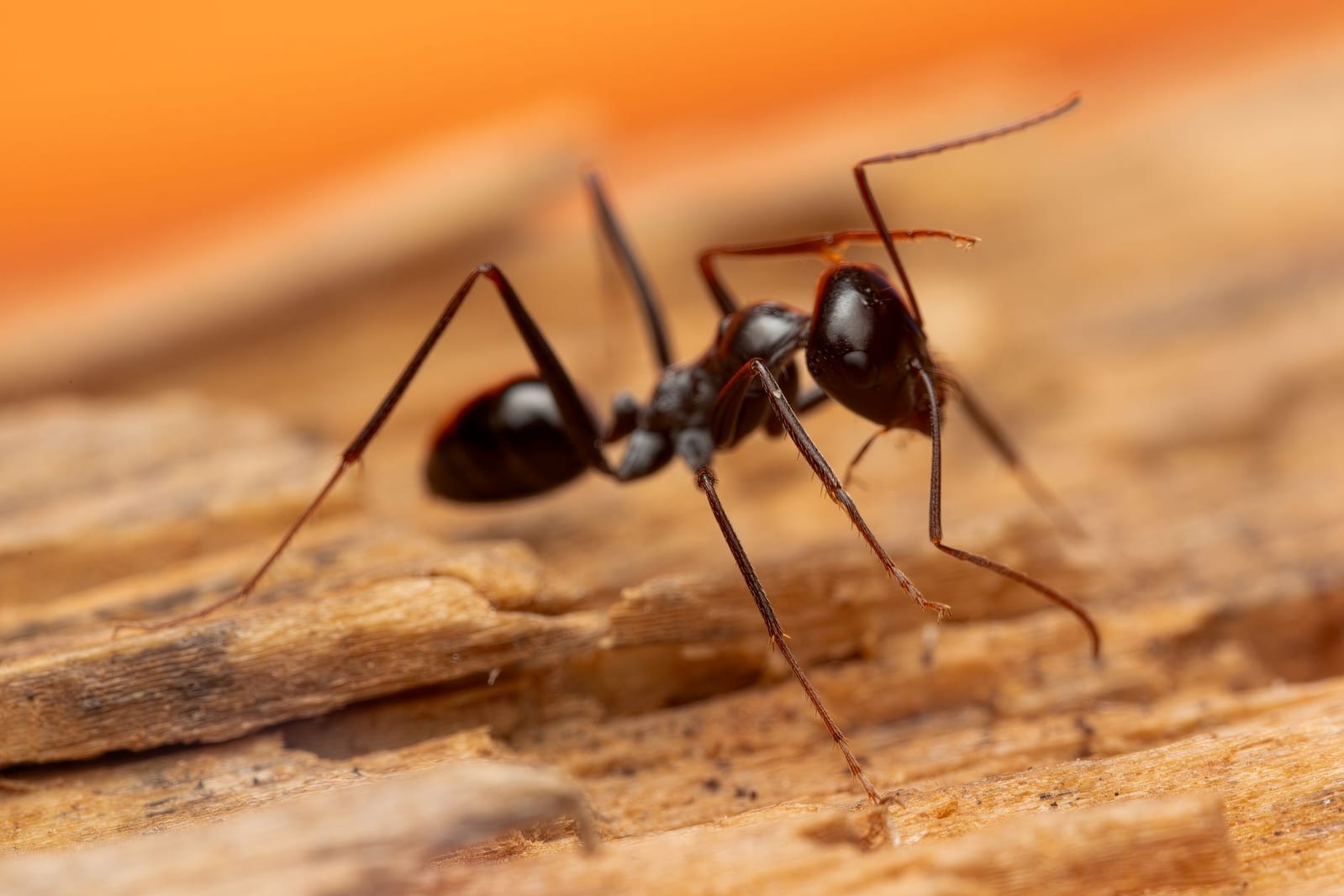
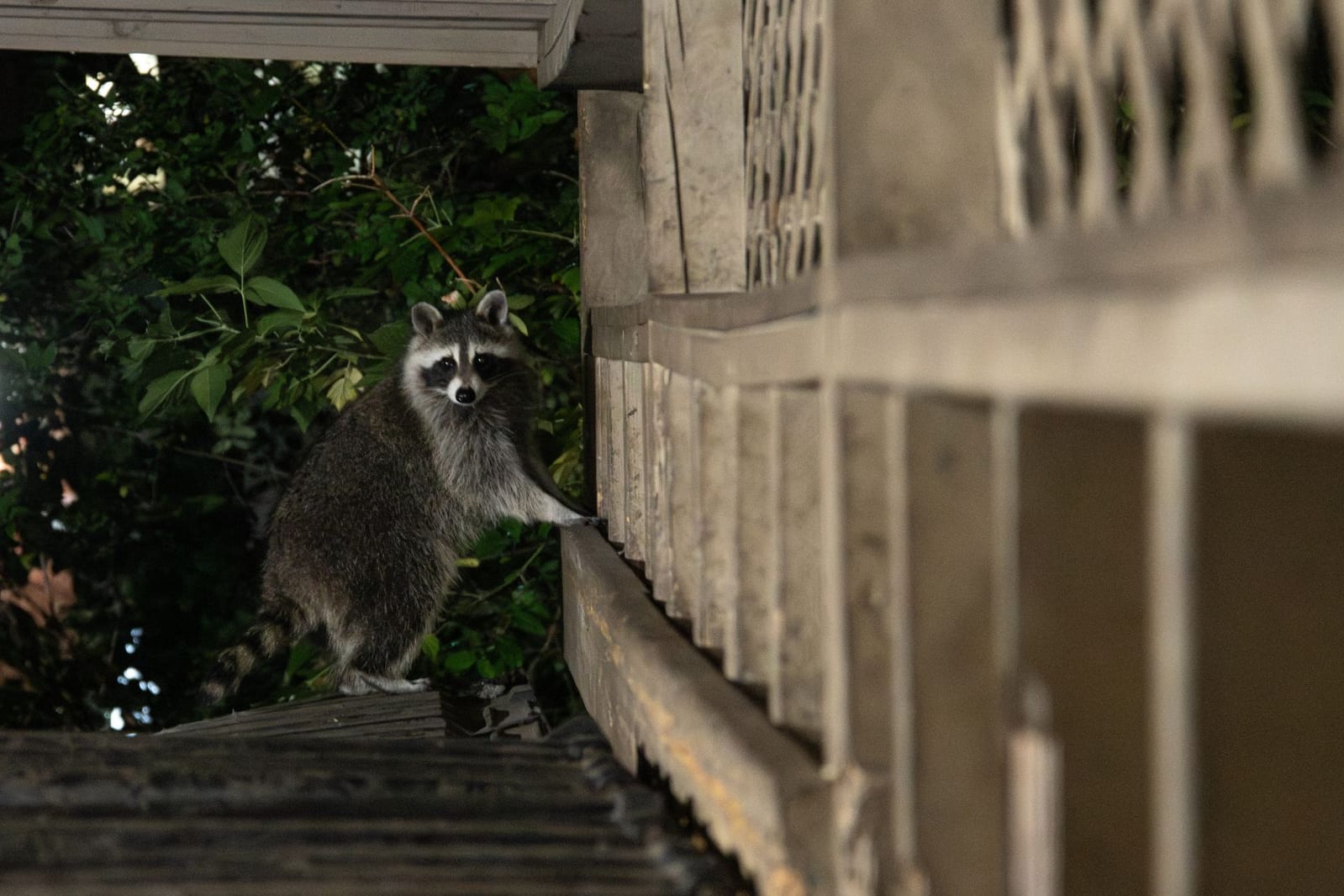
Much of Queens, though, is detached and semi-detached single-family homes with yards — Bayside, Queens Village, Middle Village, Ozone Park — a profile heavier on ants, stinging insects, wildlife (squirrels, raccoons) and seasonal mosquitoes than apartment pests, with park edges like Alley Pond, Flushing Meadows–Corona and Juniper Valley adding warm-season outdoor pressure that pushes indoors as the weather cools.
Common pests in Queens
The issues we treat most here: rodents, cockroaches, bed bugs, ants. We serve Flushing Meadows–Corona Park, Citi Field, USTA Billie Jean King National Tennis Center, Rockaway Beach, Astoria Park, Queens Boulevard and the wider area across ZIPs 11354, 11355, 11372, 11375, 11101, 11102, 11103, 11385, 11432, 11435.